Mastering Property Upkeep: A Comprehensive Guide to Efficient Maintenance and Repair Management
Introduction
Effective property maintenance and repair management are crucial for preserving asset value, ensuring tenant satisfaction, and optimizing operational efficiency. Neglecting these critical aspects can lead to costly repairs, decreased property appeal, and potential legal liabilities. This report delves into the comprehensive strategies and modern approaches necessary for mastering the complexities of property upkeep, transforming it from a reactive burden into a proactive, value-enhancing endeavor.
This report will explore key facets of property maintenance, starting with the implementation of proactive schedules. We will then examine how technology can streamline tracking and operations, followed by crucial financial planning and cost control strategies. Furthermore, the report will cover best practices in vendor management and conclude with a focus on optimizing emergency repair protocols and tenant communication, providing a holistic framework for successful property management.
Index
- Chapter 1: Implementing Proactive and Preventive Property Maintenance Schedules
- Chapter 2: Leveraging Technology and Software for Efficient Property Maintenance and Repair Tracking
- Chapter 3: Budgeting, Cost Control, and Financial Planning for Property Maintenance and Repairs
- Chapter 4: Effective Vendor Management and Contractor Negotiation for Property Repair Services
- Chapter 5: Streamlining Emergency Repair Protocols and Tenant Communication in Property Management
Chapter 1: Implementing Proactive and Preventive Property Maintenance Schedules
Property maintenance program: Scheduled and preventive ... - Proprli
The Imperative of Proactive Property Maintenance
Implementing a comprehensive property maintenance program is vital for the longevity and value of real estate assets. A proactive maintenance approach, which incorporates both scheduled and preventive measures, is crucial for mitigating potential issues before they escalate and lead to more significant problems [1].
Such a strategy not only extends the lifespan of property assets but also contributes significantly to creating safe, appealing, and well-maintained environments for tenants and visitors. This, in turn, enhances the property's overall appeal, functionality, and operational efficiency [1]. This report will delve into the key components of such a program, focusing on scheduled and preventive maintenance strategies that ensure properties remain in optimal condition.
Understanding Scheduled Maintenance
Scheduled maintenance is recognized as the cornerstone of any thriving property maintenance program. This essential strategy involves the proactive planning and consistent execution of regular maintenance tasks. The primary goal of scheduled maintenance is to maintain properties in peak condition and ensure their optimal performance over time, thereby preventing deterioration and preserving value [1].
Key Benefits of Scheduled Maintenance
A well-structured scheduled maintenance plan offers numerous significant advantages that directly contribute to the property's effective upkeep and long-term value. These benefits include:
- Prevention of unexpected breakdowns and the subsequent, often costly, emergency repairs.
- Extension of the operational lifespan of critical property assets and essential equipment.
- Assurance of a consistently safe, functional, and aesthetically appealing environment for all occupants, staff, and visitors [1].
The Role of Preventive Maintenance
Preventive maintenance is a proactive strategy centered on regularly scheduled maintenance tasks. These tasks are specifically designed and implemented to prevent equipment failure and significantly minimize unplanned downtime. By adopting this approach, property managers can ensure continuous operation and enhance the overall reliability of their facilities and systems [1].
Advantages of Implementing Preventive Maintenance
By diligently implementing a comprehensive preventive maintenance plan, property managers and owners can achieve several key positive outcomes for their assets. The main advantages include:
- Substantial extension of the functional life of their valuable property assets and machinery.
- Marked improvement in overall equipment reliability and consistent operational performance.
- Significant reduction in long-term costs, particularly those typically associated with major repairs, disruptive emergency interventions, and premature asset replacements [1].
Proactive Maintenance: The Secret Ingredient to Property Longevity
The Value of a Proactive Approach
By implementing a proactive maintenance approach, property owners can save both time and money in the long run. Addressing minor issues promptly prevents them from developing into costly repairs, thus preserving the integrity of the property and its systems. Moreover, proactive maintenance helps in maximizing the efficiency of operations, enhancing tenant satisfaction, and ultimately increasing the overall value of the property [2].
Core Strategies for Effective Implementation
Effective implementation of preventive measures is the cornerstone of a proactive maintenance strategy. This approach ensures that potential risks are mitigated and issues are addressed promptly—often referred to as being "nipped in the bud"—before they can escalate into more significant and costly problems [2].
Customized Maintenance Planning
A crucial aspect of preventive maintenance is the development of a customized maintenance plan. This plan should meticulously outline specific tasks, their required frequencies, and clear responsibilities for all maintenance activities. Such a detailed plan acts as a proactive roadmap, effectively guiding property managers in their ongoing maintenance endeavors and ensuring comprehensive care for the property [2].
The Linchpin for Property Longevity
Proactive maintenance is the linchpin of property longevity, offering a forward-thinking, preventive, and sustainable approach to property management. By embracing proactive maintenance principles, staying vigilant, and prioritizing preventive actions, property owners can safeguard their investments, enhance occupant satisfaction, and contribute to a sustainable future [2]. In today's dynamic and ever-evolving real estate landscape, proactive maintenance is undeniably the secret ingredient to long-lasting property success and value.
Using Proactive Maintenance to Make Preventative ... - Leonardo247
The Foundation of Proactive Maintenance
Effective property management hinges on preventing problems before they occur. Proactive maintenance ensures properties remain in excellent condition, ultimately making preventative maintenance more manageable.
This report delves into why proactive maintenance is essential and how to implement it effectively to simplify overall preventative maintenance tasks and enhance property management.
Core Benefits and Strategic Implementation
Financial Advantages and Operational Efficiency
Prevent Expensive Repairs [...] Proactive maintenance is essential for maintaining property value, reducing repair costs, and simplifying preventative maintenance [3].
By adopting a well-rounded approach that includes minimizing emergency responses, focused maintenance, regular inspections, and thorough unit turnovers, property managers can create a more efficient and effective maintenance strategy. This not only leads to happier residents but also improves the financial performance of the properties [3].
Asset Longevity and Foundational Support
[...] Properties experience daily wear and tear. A robust maintenance plan ensures regular inspections and timely repairs, extending the life of your assets. Proactive maintenance lays the groundwork for a more efficient preventative maintenance strategy [3].
Enhancing Resident Satisfaction
A significant outcome of implementing proactive maintenance measures is the capacity to boost resident satisfaction, contributing positively to tenant retention and community reputation [3].
Proactive Maintenance: A Comprehensive Guide for Facilities ...
Introduction to Proactive Maintenance
Proactive maintenance is a strategic approach crucial for modern facilities management. It emphasizes the use of regular inspections, meticulously planned schedules, and advanced predictive strategies to identify and address potential issues before they escalate into more significant and costly problems [4]. The core principle is to shift from a reactive "fix-it-when-it-breaks" model to a forward-looking one that anticipates and prevents failures.
By proactively maintaining assets, organizations can effectively reduce the cumulative wear and tear that often accelerates their deterioration. This preemptive care not only enhances the reliability and performance of equipment and infrastructure but also results in significantly extended operational life cycles, maximizing the return on investment for these critical assets [4].
Planning and Implementing Proactive Maintenance Strategies
Successfully establishing proactive maintenance strategies requires thorough planning and the allocation of adequate resources. Developing a robust and solid implementation plan is a foundational step, designed to help organizations navigate and overcome potential challenges that could otherwise slow progress or derail the initiative [4]. Such a plan typically outlines clear objectives, specific actions, timelines, responsibilities, and performance metrics to guide the facility through its proactive maintenance implementation journey.
A critical component within this implementation framework is the practice of 'Conducting Facility Condition Assessments (FCAs)'. These assessments are vital as they provide a comprehensive overview of the current state of all assets, helping to identify vulnerabilities and areas requiring immediate attention. The data gathered from FCAs informs the prioritization of maintenance tasks, the development of tailored inspection routines, and the effective application of predictive maintenance techniques, ensuring that resources are directed efficiently to where they are most needed [4].
Proactive Maintenance | What is a Proactive Maintenance? - UpKeep
Understanding Proactive Maintenance
Proactive maintenance is a strategic approach focused on preventing asset failure and downtime rather than reacting to problems after they occur. It involves scheduling maintenance activities in advance to keep equipment and facilities in optimal working condition, thereby extending their lifespan and improving overall operational reliability [5]. This methodology contrasts sharply with reactive maintenance, where repairs are only performed once a breakdown has already happened.
The core principle of proactive maintenance is to identify and address potential issues before they escalate into significant failures. This foresight can lead to numerous benefits, including reduced long-term repair costs, enhanced operational safety, and minimized disruptions to services or production. This report will further explore common forms of proactive maintenance, detailing their specific methodologies and advantages in maintaining asset health.
Common Forms of Proactive Maintenance
Preventive Maintenance (PM)
Preventive maintenance (PM) is one of the most widely adopted forms of proactive maintenance. In a PM program, maintenance activities are methodically performed with the objective of keeping assets in good working condition and preventing unforeseen breakdowns [5]. These activities are scheduled based on pre-determined intervals or conditions to address potential wear and tear before it leads to more severe and costly issues.
The frequency of performing PM activities can be determined by several approaches [5]:
- Calendar-based: Maintenance tasks are scheduled at fixed time intervals, such as daily, weekly, monthly, or annually, regardless of the asset's current condition.
- Usage-based: Maintenance is triggered by the actual usage of an asset. This could be based on metrics like operating hours, production cycles, or distance covered (e.g., miles for a vehicle).
- Predictive: This approach involves scheduling maintenance based on the analysis of historical data and performance trends. Often, it utilizes data from sensors and monitoring systems to predict when an asset is likely to require attention or might fail.
- Prescriptive: An advanced form where maintenance activities are determined by sophisticated analytical or logical software. This software not only predicts potential failures but also prescribes the optimal maintenance actions and timing to prevent them.
Condition-Based Maintenance (CBM)
Condition-Based Maintenance (CBM) is another key strategy within proactive maintenance. CBM involves continuously monitoring the actual condition of an asset to determine the appropriate time for maintenance interventions [5]. Instead of relying on fixed schedules, maintenance is performed only when specific indicators show signs of decreasing performance, wear, or impending failure. This approach typically utilizes real-time data gathered from sensors, inspections, and other diagnostic tools to assess the health of an asset, allowing for timely and targeted maintenance actions that can prevent unexpected breakdowns and optimize resource allocation.
Chapter 2: Leveraging Technology and Software for Efficient Property Maintenance and Repair Tracking
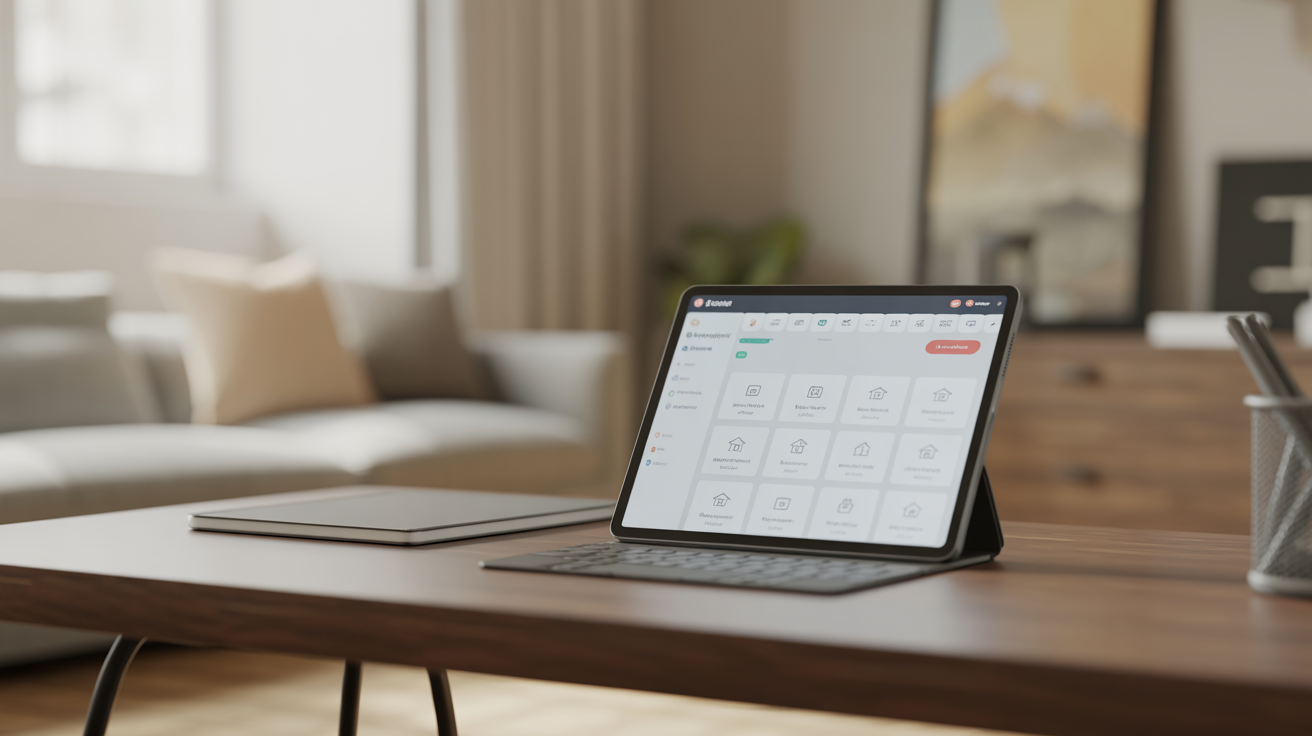
Leveraging Technology in Property Management - AustinVestors
The Transformative Impact of Technology on Property Management
Leveraging technology in property management offers a multitude of benefits that revolutionize traditional practices. These advancements range from significantly enhanced communication channels and streamlined maintenance processes to sophisticated data-driven decision-making capabilities and fortified security measures. By adopting modern property management tools and platforms, property managers can achieve greater operational efficiency, reduce overhead costs, and ultimately provide a superior experience for tenants. The integration of these technologies is becoming increasingly essential for staying competitive and meeting the evolving expectations of property owners and occupants alike.
Simplifying Maintenance and Repair Processes
Managing maintenance and repair requests has historically been a complex and time-consuming aspect of property management. However, technology profoundly simplifies this process. Modern property management software empowers tenants to submit maintenance requests conveniently online. These requests can then be automatically routed to the appropriate maintenance personnel or vendors, ensuring timely attention. This systematic approach guarantees that issues are addressed promptly and efficiently, which minimizes property downtime and crucially prevents minor, easily fixable issues from escalating into major, costly problems. Furthermore, the creation and maintenance of digital records for all maintenance activities provide property managers with a comprehensive history, aiding in better tracking, future planning, and informed decision-making regarding property upkeep.
AustinVestors: Integrating Innovation for Superior Service
At AustinVestors, there is a strong dedication to integrating innovative technological solutions into their property management practices. This commitment aims to deliver exceptional service quality and maximize value for their clients [6]. By embracing the benefits of technology, AustinVestors provides outstanding property management services. The integration of cutting-edge property management software has been pivotal in streamlining their operations, significantly improving communication channels with tenants, and enhancing overall organizational efficiency.
A key feature of their technological adoption is an online portal. This platform allows tenants to conveniently pay rent, submit maintenance requests, and access important documents from anywhere, at any time. Such accessibility and ease of use directly contribute to higher tenant satisfaction and improved tenant retention rates, underscoring the positive impact of technology on the landlord-tenant relationship [6].
Leveraging Technology for Efficient Property Management
Introduction
Technology is rapidly transforming various industries, and property management is no exception. Leveraging technological advancements offers significant opportunities to streamline operations, enhance communication, and improve overall efficiency for property managers, tenants, and owners alike. The integration of modern tools can turn complex, time-consuming tasks into manageable and automated processes [7].
This report will explore key areas where technology provides substantial benefits in property management, focusing on maintenance handling and communication strategies. It will detail how digital platforms and tools contribute to more effective and professional property oversight.
Efficient Maintenance Management
One of the most significant advantages of technology in property management is observed in maintenance operations. Handling maintenance requests traditionally involves considerable time and effort; however, technology simplifies this entire process [7]. Property management platforms, for instance, empower tenants to submit maintenance requests digitally. These submissions can include photographs and detailed descriptions of the issue, providing clear and immediate information to managers.
This digital approach facilitates real-time tracking of requests and enables property managers to assign tasks directly to contractors or service providers. Furthermore, such systems help in maintaining comprehensive records of all maintenance activities, enhancing transparency and accountability in addressing property upkeep needs [7].
Streamlined Communication
Effective and clear communication is a cornerstone of successful property management, and technology plays a pivotal role in enhancing this aspect. Modern technological tools have made interactions with tenants and property owners significantly more efficient and hassle-free [7]. These systems increase responsiveness by providing multiple channels for contact. For example, tenants can quickly report maintenance issues or submit inquiries through dedicated online portals.
Technology also streamlines the scheduling of meetings and property inspections. For property owners, these platforms can offer direct access to important information, such as payment statuses and updates on maintenance activities. By centralizing communication, these tools ensure all interactions are organized, professional, and easily accessible, which significantly minimizes misunderstandings and potential disputes [7].
The Future of Property Management: Leveraging Technology with ...
The Digital Transformation in Property Management
The property management industry is undergoing a significant metamorphosis, largely driven by the accelerating pace of technological innovation. Traditional, often manual, methods of managing properties are increasingly giving way to sophisticated digital solutions that promise greater efficiency, enhanced tenant satisfaction, and optimized operational performance. This evolution is not merely a trend but a fundamental shift, compelling property managers to adapt and integrate new technologies to remain competitive and meet the heightened expectations of both property owners and tenants in a connected world.
This report will delve into the ways technology is reshaping the landscape of property management. Specifically, it will explore the application of modern technological tools in streamlining core operations, particularly focusing on how advancements are revolutionizing maintenance, repair processes, and property monitoring, thereby paving the path towards a more proactive, responsive, and data-driven future for the sector.
Enhancing Maintenance and Operations through Technology
A critical aspect of successful property management lies in the effective and timely handling of maintenance and repairs. Technology is proving to be a cornerstone in modernizing this domain, offering a suite of tools that enhance the tracking, execution, and oversight of property upkeep. Digital platforms, including specialized property management software, enable the automation of routine inspection schedules and preventative maintenance tasks. This proactive approach is instrumental in preserving the long-term value of property assets and mitigating the risk of larger, more costly emergency repairs.
Leveraging technology enables significantly better maintenance tracking, providing property managers with a comprehensive overview of all pending, active, and completed maintenance jobs. It also facilitates streamlined repair requests; tenants can often submit issues through dedicated online portals or mobile applications, complete with detailed descriptions and even photographic evidence. This improves the accuracy of reports and speeds up the diagnostic process. Furthermore, the integration of smart home technology is a game-changer, allowing for remote monitoring of property conditions. For example, smart sensors can detect water leaks, monitor HVAC system performance, or manage property access, delivering real-time data to property managers and enabling swift, proactive interventions when anomalies are detected [8].
The deployment of smart home devices extends beyond mere convenience; it contributes substantially to operational efficiency and risk mitigation. Smart thermostats can optimize energy consumption across a portfolio, leading to cost savings. Remote diagnostic capabilities for appliances or systems can sometimes identify the root cause of a problem before a technician is dispatched, saving time and resources. This data-driven, predictive, and proactive approach to property maintenance not only minimizes disruptions and enhances living conditions for tenants but also reduces operational overheads for property owners. These advancements underscore the transformative impact of technology on the day-to-day realities and strategic imperatives of property management.
Guide to Leverage Technology for Better Property Management
Streamlining Property Management with Technology
Property management doesn’t have to be a headache. With the right tech tools, rental property owners can save time and energy while maximizing their profits. In this blog post, REsimpli looks at some of the best tools available today for landlords that make property management easier and more profitable [9].
The Role of Maintenance Scheduling Apps
Having an efficient maintenance scheduling system in place is essential for keeping your rental properties running smoothly. Maintenance scheduling apps let you organize all repair requests into one central location so that nothing falls off your radar. Many apps also include handy features like messaging systems so that tenants can easily communicate with maintenance staff or the landlord directly if they need help with something. Plus, these apps are usually cloud-based, which means you can [...] [9].
Comprehensive Property Management Software
Property management software is a must-have for any landlord or property manager. This type of software allows you to manage all aspects of your rental business in one place, from tracking tenant information to collecting rent payments and beyond. These programs are user-friendly, intuitive, and full of features such as reporting capabilities and automated marketing campaigns that can help you maximize your profits [9].
Utilizing Application Platforms
Application platforms represent another key area where technology can significantly enhance property management. These platforms can assist with various processes such as tenant screening, online applications, and digital lease signing, further streamlining operations for landlords and improving the experience for tenants [9].
Revolutionizing Property Management: Leveraging Technology for ...
Introduction
The property management landscape is undergoing a significant transformation, driven by technological advancements. Integrating innovative tools and platforms is no longer a luxury but a necessity for maintaining competitive advantage, enhancing operational efficiency, and improving tenant satisfaction. These technologies offer solutions to traditional challenges, enabling proactive management and data-driven decision-making [10].
This report explores several key technologies that are revolutionizing property management, focusing on their applications and benefits. These include the use of drones for inspections, predictive maintenance software powered by AI, digital twin technology, augmented reality for maintenance tasks, and energy management systems. Each of these contributes to more efficient, cost-effective, and tenant-friendly property operations by leveraging modern technological capabilities [10].
Key Technological Advancements in Property Management
Drones for Enhanced Property Inspections
Drones are significantly changing how property inspections are conducted. By providing high-resolution aerial imagery and access to hard-to-reach areas of properties, such as rooftops and high facades, drones offer a comprehensive and efficient method for assessing property conditions. This technology allows property managers to identify potential issues like structural damage, leaks, or pest infestations early on [10]. Furthermore, drone-based inspections can be conducted more quickly and safely than traditional methods, reducing costs and minimizing risks. The detailed data gathered also aids in precise planning for maintenance work and in creating thorough documentation for insurance or sales purposes.
Predictive Maintenance Software
Predictive maintenance software, leveraging the power of Artificial Intelligence (AI) and machine learning (ML), represents a paradigm shift from reactive to proactive property care. This software analyzes data from various sensors and systems within a property to anticipate when equipment, such as HVAC units, elevators, or plumbing systems, is likely to fail or require servicing [10]. By forecasting potential issues, property managers can schedule maintenance proactively, before a breakdown occurs. This approach significantly reduces unexpected and costly emergency repairs, minimizes system downtime, and extends the lifespan of assets. Ultimately, predictive maintenance ensures a seamless and comfortable living or working experience for tenants, boosting satisfaction and retention rates.
Digital Twin Technology and Augmented Reality (AR)
Digital Twin technology is emerging as a powerful tool for sophisticated building management. A digital twin is a virtual replica of a physical building, including its systems and operational data, often updated in real-time. This allows for comprehensive monitoring, simulation of potential changes, and optimization of building performance over its lifecycle [10]. Complementing this, wearable devices equipped with Augmented Reality (AR) are enhancing the capabilities of maintenance teams. AR technology can overlay digital information—such as schematics, repair instructions, or sensor data—onto the technician's view of the physical equipment. This provides real-time data, enables hands-free communication, and offers visual guides for complex repairs. Such technology significantly improves the efficiency, speed, and accuracy of maintenance work, leading to quicker problem resolutions and improved overall tenant satisfaction [10].
Energy Management Systems (EMS)
Energy Management Systems (EMS) are crucial for optimizing energy consumption within properties and promoting sustainability. While specific details of advanced EMS features were not deeply elaborated in the provided snippet, their general importance is well-recognized in modern property management [10]. These systems typically involve smart sensors, automated controls for lighting and HVAC, and energy monitoring dashboards that allow property managers to track, analyze, and reduce energy usage. Implementing an effective EMS can lead to substantial cost savings on utilities, decrease the environmental footprint of buildings, and help meet regulatory requirements or green building certifications. For tenants, this often translates to more comfortable and consistently regulated environments, and potentially lower associated energy costs.
Chapter 3: Budgeting, Cost Control, and Financial Planning for Property Maintenance and Repairs

Financial Planning for Property Owners: Budgeting for Repairs and ...
The Imperative of Financial Planning for Property Upkeep
Proactive financial planning for property maintenance and repairs is a critical component for ensuring the long-term viability and profitability of rental property investments, such as those in Arlington [11]. This essential practice involves developing detailed budgets specifically for upkeep and repairs, alongside the strategic establishment of reserve funds. By adopting this forward-thinking approach, property owners can effectively manage their assets.
Such proactive financial measures should be viewed not merely as expenditures but as crucial investments. They serve to protect the property's intrinsic value, ensure its structural longevity, and help maintain a consistent and reliable income stream for the owner. Conversely, neglecting necessary maintenance can severely undermine a property's profitability, potentially leading to more significant, complex, and costly issues in the future [11].
Common Budgeting Methods for Property Maintenance
Several methodologies can be employed for budgeting property maintenance, all aiming to establish a realistic and sustainable financial plan. Understanding these methods can help property owners prepare adequately for ongoing expenses.
The 1 Percent Rule
One widely recognized guideline among property owners is the "1 percent rule." This rule suggests that property owners should aim to set aside at least 1 percent of the property's current market value each year to cover maintenance and repair costs [11]. For instance, if a rental property is valued at $800,000, the owner should plan to reserve approximately $8,000 annually for these purposes. This provides a basic financial cushion for anticipated and some unanticipated work.
Factors Influencing Budget Adjustments
It is crucial to understand that the 1 percent rule, while a popular starting point, is a general guideline and may not be sufficient for all properties. Owners must consider a variety of specific factors that might necessitate an adjustment to this percentage. Key variables include the age and overall condition of the property; older properties or those with a history of deferred maintenance typically require a larger budget [11]. Furthermore, the property's exact geographical location can influence costs due to regional differences in labor rates and material prices. Other unique characteristics, such as property type, construction materials, and previous major repairs or renovations, also play a significant role in determining appropriate budget allocations. A customized budget, reflecting these specific nuances, is often more effective than relying solely on a generalized rule.
Integrating Preventative Maintenance into Financial Strategy
Incorporating preventative maintenance into the core financial strategy is a highly effective approach for property owners aiming to minimize overall repair expenditures and protect the long-term condition and value of their investment property [11]. This proactive stance focuses on regular upkeep to prevent minor issues from developing into major, costly problems.
The benefits of prioritizing preventative maintenance are significant. Financial plans and property maintenance budgets should strategically allocate resources towards these routine, preventative tasks. This focus typically leads to a marked reduction in the frequency and severity of emergency repairs, as potential issues are often identified and addressed before they can escalate [11]. Moreover, a commitment to preventative maintenance substantially mitigates the risk of dealing with the consequences of deferred and unreported maintenance, which can result in extensive damage and considerably higher repair costs over time. Ultimately, investing in preventative care enhances the property's operational efficiency, extends its lifespan, and supports sustained profitability.
Home Maintenance: Budgeting for Long-Term Property Care
The Imperative of Home Maintenance Budgeting
As a homeowner, integrating budgeting for home maintenance into financial planning is a crucial responsibility. This proactive approach not only ensures that adequate funds are available for necessary repairs and ongoing upkeep but also plays a significant role in preventing unexpected expenses that could otherwise disrupt financial stability.
Without diligent and proper budgeting, the costs associated with home maintenance can escalate, potentially becoming a substantial financial burden and a source of considerable stress. Therefore, a thorough understanding of how to effectively budget for long-term property care is paramount for every homeowner [12].
Strategic Value and Financial Advantages
Budgeting for long-term property care extends beyond a simple financial exercise; it represents a significant strategic step towards preserving and enhancing the intrinsic value of a home. The financial benefits of such budgeting are manifold, primarily centered on proactive cost management and asset protection.
Regular home maintenance, when properly budgeted for, is instrumental in preventing minor issues from developing into costly, large-scale repairs in the future. This foresight contributes directly to the property's longevity and ensures that all components of the home continue to function effectively, thereby maintaining and potentially increasing its market value [12].
Guidance for Effective Budget Management
Effectively managing a home maintenance budget requires a clear understanding of its importance and practical methods for its implementation. Homeowners can benefit significantly from resources that outline systematic approaches to this financial responsibility.
Comprehensive guides and resources are available to provide valuable insights into the dual importance of consistent home maintenance and strategic budgeting. These tools often include practical steps and actionable advice to help homeowners establish and manage their home maintenance budgets efficiently, fostering long-term property well-being and financial security [12].
Financial Planning for Rental Property Repairs and Maintenance
The Essential Nature of Planning for Property Upkeep
Addressing rental property repairs and maintenance is an unavoidable aspect of property ownership. However, landlords and property managers can significantly mitigate stress and financial uncertainty by proactively planning and budgeting for these common occurrences. By anticipating repair needs, one can better protect their rental income from unforeseen expenses [13].
It is crucial to recognize that owning rental properties carries significant responsibilities. Among the most vital tasks is the continuous upkeep of rental repairs and maintenance. This is not merely a matter of preserving the property's value but also a legal obligation. Landlords are required to ensure their properties remain safe and habitable for tenants throughout their occupancy, necessitating a readiness to fund and execute repairs at any given time [13].
Strategic Budgeting for Repairs and Maintenance
The costs associated with property repairs and maintenance can vary substantially. Several factors influence these expenses, including the geographical location of the property, the scope and complexity of the required work, the cost of materials, and the decision to hire professional contractors versus performing the tasks as a do-it-yourself (DIY) project [13]. Diligent financial planning must account for these variables.
Without a dedicated budget for these expenses, rental income can be severely impacted. Therefore, it is imperative for landlords and property managers to develop robust strategies for budgeting and planning for both routine maintenance and unexpected repairs. This involves understanding common types of rental repairs, anticipating their potential costs, and discerning when to engage professional services to ensure the work is completed to a high standard and in compliance with relevant regulations [13].
Property Management Budgeting 101: How to Keep Costs Low
Core Principles of Property Management Budgeting
Effective property management fundamentally relies on diligent budgeting to ensure financial health, maximize returns, and keep operational costs manageable. A well-structured budget serves as a roadmap for navigating the financial complexities of property ownership and management.
At the heart of property management budgeting lie two principal categories: income and expenses. Income is not limited to the monthly rent payments; it also encompasses other potential revenue streams. These can include application fees from prospective tenants, parking fees, and late payment charges levied for overdue rent [14]. Conversely, expenses cover a wide array of costs. These range from predictable outlays such as utility bills and routine maintenance to unexpected expenditures, which might include emergency repairs or sudden increases in property taxes [14].
Comprehensive Expense Planning and Cash Flow Forecasting
A crucial element in robust property management budgeting is the ability to accurately forecast cash flow. This involves systematically tracking anticipated income against projected expenditures to maintain financial stability and identify potential areas for cost savings.
Identifying and Categorizing Expenses
The next vital step involves compiling a comprehensive and detailed list of all potential expenses. For clarity and effective management, these expenses should be categorized. Fixed costs are those that remain relatively stable and predictable, such as mortgage payments or annual property taxes [14]. Variable costs, in contrast, can fluctuate based on usage or unforeseen circumstances; these include repairs, ongoing maintenance activities, and utility bills. It is also essential to account for property management fees if an external service provider is contracted to manage the property [14].
Strategic Allocation for Maintenance and Emergencies
A significant and indispensable part of property management budgeting is the proactive allocation of funds specifically for maintenance requirements and unforeseen emergencies. This foresight helps in mitigating financial risks and ensuring the property remains in good condition.
Building a Contingency Fund
This involves setting aside dedicated funds to cover both regular upkeep, such as routine inspections and preventative maintenance, and potential unexpected repairs, like a burst pipe or appliance failure. A common and advisable rule of thumb is to allocate a certain percentage of the gross rental income towards these maintenance and emergency reserves [14]. The specific percentage should be carefully considered and adjusted based on critical factors such as the age of the property and its current overall condition. For instance, older properties or those with known deferred maintenance may warrant a higher percentage allocation to adequately cover anticipated repair needs [14].
5 tips to budget for home maintenance and repairs - Wells Fargo
Budgeting Guidelines for Home Maintenance
Effectively managing the costs associated with home upkeep requires a proactive approach to budgeting. According to financial specialists, a primary recommendation is to allocate between 1% and 2% of your home's original purchase price each year specifically for maintenance and repair tasks. This annual fund is designed to cover significant routine projects, such as repairs to the roof, updates to the sewer system, or the replacement of major household appliances, any of which can result in expenses amounting to several thousand dollars [15].
It is also crucial to adapt this general guideline to your individual financial situation and the specific needs of your property. If committing to a 2% allocation is initially challenging, it is advisable to begin with a more conservative percentage and incrementally increase it over time as your budget allows. Conversely, for homes that demand more substantial or frequent maintenance—perhaps due to age, construction type, or known existing issues—it may be necessary to budget more than the standard 2% of the purchase price. This ensures that you are adequately prepared to address the higher ongoing costs associated with preserving your home's condition and functionality [15].
Chapter 4: Effective Vendor Management and Contractor Negotiation for Property Repair Services

Chapter 5: Streamlining Emergency Repair Protocols and Tenant Communication in Property Management