Ensuring Excellence: The Critical Role of Snag List Inspections in New Property Quality Assurance

Introduction
The acquisition of a new property represents a significant investment and a milestone for many. Ensuring that this new asset meets the expected standards of quality and craftsmanship is paramount. Snag list inspections, a meticulous post-construction review, play an indispensable role in this process. They serve as a critical checkpoint, identifying defects or 'snags' that may have been overlooked during the construction phase, thereby safeguarding the buyer's investment and ensuring the property is delivered as promised.
This report delves into the multifaceted importance of snag list inspections in maintaining quality assurance for new properties. It will begin by defining the scope and purpose of these inspections, followed by an analysis of their direct impact on quality standards. The report will further explore common defects uncovered, outline the procedural framework and stakeholder involvement, and finally, discuss the legal protections and consumer rights pertinent to defect resolution.
Index
- Chapter 1: The Scope and Purpose of Snag List Inspections
- Chapter 2: Impact of Snag Lists on Quality Assurance Standards
- Chapter 3: Common Defects in New Builds: Categorization and Analysis
- Chapter 4: The Snagging Process: Framework, Stakeholders, and Rectification
- Chapter 5: Legal Frameworks and Consumer Rights in Defect Resolution
Chapter 1: The Scope and Purpose of Snag List Inspections

What is Snagging in Construction: A Comprehensive Guide
Defining Snagging in Construction
Snagging, in the context of construction, refers to the crucial process of identifying and rectifying defects or incomplete works within a newly constructed building [1]. This quality control procedure is typically carried out towards the end of a construction project, often coinciding with the final inspection phase. The fundamental goal of snagging is to ensure that all elements of the construction adhere strictly to the contractual standards and specifications before the project is officially handed over to the client [1].
The Purpose and Importance of Snagging
The primary purpose of implementing a snagging process, particularly through the creation of snagging lists, is to guarantee that all facets of a construction project meet the specified quality benchmarks and fulfill all contractual obligations prior to the client taking possession [1].
Beyond contractual fulfillment, snagging is essential as it ensures that the completed property not only meets the required technical standards and specifications but also provides a safe, functional, and aesthetically pleasing environment for its future occupants [1]. This meticulous attention to detail safeguards the client's investment and upholds the reputation of the constructor for delivering quality work.
The Snagging List: Documenting and Addressing Deficiencies
Central to the snagging process is the creation of a "snagging list." This is a comprehensive and detailed document that meticulously catalogues all identified defects, outstanding tasks, or areas that require attention and rectification [1].
The snagging list functions as a critical roadmap for the contractor, clearly outlining all the issues that must be addressed and resolved to meet the agreed-upon standards. It ensures a systematic approach to defect correction, ultimately leading to the project being deemed complete and ready for handover to the client [1].
Construction snag list: best practices - RDash
Defining Construction Snag Lists
In the construction industry, a snag list, sometimes referred to simply as "snags," is a meticulously compiled document that outlines tasks requiring correction or completion before a project can be officially finalized [2]. This list is typically generated towards the conclusion of a construction project, specifically during the final inspection phase. It comprehensively details minor issues, defects, or any unfinished work that must be addressed to ensure the project aligns perfectly with the agreed-upon standards and specifications. Common examples of items found on a snag list can range from cosmetic blemishes, such as the need for paint touch-ups, to functional adjustments like fixing a sticking door [2].
The fundamental purpose of a snag list extends beyond the mere rectification of faults. It is about ensuring that every facet of the project is completed to the highest possible quality standards. This involves adherence not only to the client's original vision and expectations but also strict compliance with all pertinent building regulations [2]. Consequently, the creation and thorough execution of a comprehensive snag list form a critical component of the quality assurance process. This ensures all elements of the project are satisfactory and complete prior to the final handover to the client or owner.
Stakeholder Collaboration in Snag List Management
A snag list in the context of construction serves as a critical document that precisely captures details regarding issues demanding resolution before a project can be declared officially complete [2]. The successful and efficient execution of the tasks itemized on this list is heavily reliant on a robust collaborative effort among the various stakeholders involved in the project. Each party, including property owners, main contractors, subcontractors, and architects or designers, has a unique and vital role to play in the snagging process.
A clear understanding of how these stakeholders interact with and contribute to the snag list is paramount for ensuring a smooth project completion and achieving high levels of client satisfaction [2]. For example, owners provide the ultimate approval, ensuring their requirements are met. Contractors and subcontractors are typically responsible for performing the corrective work. Architects and designers often oversee these corrections to confirm they align with the intended design and quality benchmarks. Effective communication and coordination among these groups are key to an effective snag resolution process.
Optimal Timing for Snag List Execution
A frequently asked question within construction project management revolves around when construction snag lists are typically executed. The timing of this process is crucial for effective project closure and quality assurance. As established, a snag list is generally compiled towards the end of a construction project, most commonly during the final inspection phase [2]. This strategic timing allows for a thorough review of the nearly completed work, enabling the identification of any remaining defects, minor omissions, or outstanding tasks before the property is formally handed over. Addressing these identified snags promptly is essential for ensuring that the project meets all contractual obligations, quality expectations, and ultimately, satisfies the client.
What Is a Construction Snag List? The 2023 Guide to Understanding ...
Understanding the Construction Snag List
A construction snag list, often referred to interchangeably as a punch list, is a formal document compiled towards the completion of a construction project, typically before the final handover to the client or owner. Its fundamental purpose is to serve as a comprehensive quality control tool, meticulously itemizing any minor defects, incomplete work, or discrepancies observed when compared against the agreed-upon contractual specifications and expected standards of workmanship [3]. These items, colloquially known as "snags," can range from purely cosmetic issues, such as paint blemishes, scuff marks, or improperly fitted fixtures, to minor functional problems like a dripping faucet, a window that doesn't close smoothly, or an electrical socket that isn't working.
The creation and diligent resolution of a snag list are paramount in the construction industry. It plays a crucial role in ensuring that the finished project aligns with the client's expectations and adheres to the quality benchmarks stipulated in the contract. Addressing these identified issues before the client takes possession of the property helps prevent future disputes, enhances client satisfaction, and contributes to a professional and smooth project handover. Ultimately, a well-managed snagging process safeguards the investment made by the client and upholds the reputation of the contractor or developer for delivering quality work.
Snag lists are typically compiled following a detailed inspection of the property. This inspection can be carried out by various stakeholders, including the client themselves, their appointed representative (such as an architect or a dedicated snagging surveyor), the main contractor's quality assurance team, or a combination of these parties. The involvement of a professional snagging company is also becoming increasingly common, especially for new home buyers, as they bring specialized expertise in identifying issues that might be overlooked by an untrained eye.
The Snagging Process: From Identification to Resolution
The snagging process is a systematic procedure designed to ensure that all identified deficiencies are cataloged and rectified efficiently. This process generally unfolds in several distinct, yet interconnected, stages, beginning with the initial thorough inspection of the completed or nearly completed works.
Identification Phase
The first critical step is the detailed inspection of the construction project. During this phase, inspectors meticulously examine all aspects of the work, from structural elements (where accessible and relevant at this stage) to finishes and fittings. The aim is to identify any task that has not been completed to the required standard, is damaged, not functioning correctly, or deviates from the project plans and specifications. Common snags include issues like poorly applied paint, unfinished caulking, damaged flooring, misaligned doors or cabinets, and minor faults in plumbing or electrical installations. The thoroughness of this identification phase is key to the effectiveness of the entire snagging process [3].
Documentation Phase
Once a snag is identified, it must be accurately and clearly documented. This documentation forms the snag list itself. Effective snag list entries typically include:
- A Unique Identifier: A number or code for each snag to allow for easy tracking.
- Precise Location: Clear indication of where the defect is located (e.g., "Living Room, scratch on north wall, 50cm from left corner, 1m from floor").
- Detailed Description: A concise but complete description of the issue. Ambiguity should be avoided.
- Photographic Evidence: Wherever possible, photographs or short videos of the snag should be included. Visual evidence greatly aids in understanding the nature and extent of the defect and reduces potential for misinterpretation.
- Date Identified: The date the snag was recorded.
- Responsible Party (Optional): In some cases, the party responsible for rectification might be noted.
Rectification and Re-inspection Phase
Upon receipt of the snag list, the contractor is obliged to address and rectify all the documented items. This work should be completed within a reasonable and mutually agreed timeframe. Once the contractor confirms that the remedial actions have been taken, a re-inspection, sometimes called "de-snagging," is conducted. This follow-up inspection aims to verify that each snag has been resolved to the required standard. If any items are found to be still outstanding, improperly fixed, or if new snags have arisen as a result of the rectification work, they are noted, and the process may iterate until all parties are satisfied that the property meets the agreed-upon quality and completion standards. This final verification is crucial before the formal project acceptance or handover.
8 Crucial Steps Of Snag List Process In Construction - Toco
Understanding the Snag List Process
The snag list process is a critical component in construction project management, designed to ensure that the final delivered property meets all quality standards and project specifications. This process involves the systematic identification, documentation, and rectification of defects, commonly referred to as 'snags', before the project is handed over to the client or owner [4]. A meticulously executed snag list process not only upholds construction quality but also significantly contributes to client satisfaction and the overall success and reputation of a construction project.
This report outlines several crucial aspects and steps integral to an effective snag list process, drawing from established practices within the construction industry [4]. While a comprehensive snagging procedure may encompass numerous stages, the focus here is on key elements highlighted for achieving high-quality results and ensuring properties are defect-free.
Key Steps and Considerations in the Snag List Process
1. Strategic Pre-Inspection Planning
The efficacy of a snag list process is heavily reliant on a solid foundation, which begins with strategic pre-inspection planning. This initial phase involves a meticulous and thorough review of all relevant project documentation. This includes project specifications, architectural and engineering drawings, and applicable quality standards [4]. Such detailed preparation ensures that the inspection team possesses a comprehensive understanding of the project’s scope, requirements, and expected outcomes. Clear and measurable objectives for the snagging inspection are defined during this stage. Furthermore, prioritizing specific areas for inspection based on project phases, complexity, and critical elements is crucial for an organized, systematic, and efficient approach to identifying potential snags [4].
2. Comprehensive Site Inspection
Following robust pre-inspection planning, the next step is to conduct a comprehensive site inspection. This involves a detailed and systematic examination of the construction work to identify and document any defects, omissions, or deviations from the agreed-upon standards and specifications [4]. This physical inspection should cover all aspects of the construction, from structural elements to finishes and fittings.
Incorporating a New Build Home Defect Checklist
Particularly in the context of new build homes, the incorporation and use of a comprehensive defect checklist is a pivotal component of a thorough snagging process. This checklist serves as a structured and methodical guide for construction professionals, ensuring that every aspect of the newly constructed home is assessed systematically [4]. Key components typically included in a new build home checklist cover areas such as foundations, roofing, plumbing, electrical systems, HVAC, insulation, windows, doors, interior and exterior finishes, and overall workmanship. Utilizing such a checklist helps to ensure consistency and completeness in the inspection, minimizing the chances of overlooking defects [4]. Further information on developing and utilizing site inspection checklists can often be found in specialized industry resources and blogs [4].
3. Regular Reviews and Dynamic Snag Management
A snag list is not a static document but a dynamic tool that requires ongoing management. Regular reviews of the snag list are essential to effectively track the status of defect resolution [4]. The list must be continuously updated to reflect the progress of rectification works, changes in status (e.g., from 'identified' to 'rectified' to 'verified'), and any new issues that may emerge during the defect liability period or as a result of rectification activities. This dynamic and responsive approach to snag management ensures that all identified defects are properly addressed, tracked, and closed out in a timely and efficient manner, maintaining transparency and accountability throughout the process [4].
4. Integrating Snagging into the Construction Project Lifecycle
To maximize effectiveness, snagging should not be viewed as an isolated activity performed only at the very end of a construction project. Instead, it is far more beneficial to integrate snagging activities throughout the entire construction project lifecycle [4]. By conducting interim quality checks and addressing potential issues as they arise at various stages of construction, the number and severity of snags identified during the final inspection can be significantly reduced. This proactive approach leads to smoother project handovers, reduces the likelihood of disputes, and ultimately results in higher quality construction outcomes. Mastering the snag list process by embedding it within the project lifecycle is key to consistently delivering projects that meet or exceed quality expectations [4].
The elements discussed above represent crucial components of a successful snagging strategy. The source material suggests that by following a comprehensive set of key steps (referred to as "7 key steps" in one part of the research), construction professionals can effectively master the snag list process, thereby ensuring high-quality results in their construction projects [4]. These steps would typically cover the full spectrum from initial planning through to final defect closure and handover.
Snagging in Construction: Insights for Quality Control - Stonehaven
Defining Snagging in Construction
A snagging list is an essential tool within the construction industry, meticulously used to identify and document any defects, outstanding issues, or incomplete work as a project nears its completion. This list is typically created towards the very end of a construction project. Its primary function is to ensure that all aspects of the completed work meticulously meet the required quality standards and project specifications. The process of addressing items on a snagging list allows contractors to rectify any faults discovered, thereby safeguarding the overall quality and structural integrity of the final build.
This rectification process is crucial for delivering a polished and compliant end-product. According to insights from Stonehaven, snagging inspectors often identify a significant number of issues, typically ranging from 150 to 300 defects in new buildings during their thorough inspections [5]. These findings underscore the importance of detailed snagging before a project is considered complete and handed over.
The Critical Role and Process of Snagging Inspections
Snagging plays a critical and indispensable role in maintaining robust quality control throughout the final stages of construction. The core objective is to ensure that the final product delivered to the client is free from any outstanding defects and meets all agreed-upon criteria. This meticulous attention to detail is vital for client satisfaction and upholding professional standards in the construction industry.
The term 'snagging' refers to the comprehensive process of identifying and subsequently rectifying any issues, defects, or incomplete works observed in a construction project prior to its final handover [5]. This phase characteristically occurs towards the end of the project lifecycle. It involves a thorough and systematic inspection of the entire site to verify that all work has been completed to the contractually agreed-upon standards. The fundamental aim of the snagging process is to identify and address any elements that may not align with the client's reasonable expectations or fail to meet the project's specific contractual requirements [5].
Chapter 2: Impact of Snag Lists on Quality Assurance Standards
What is a Snagging List? Inspection, Guide & New Home Standards
Defining Snagging Lists and Their Purpose
Given the current pace of construction, the role of snagging inspections has never been more critical. They offer a structured, consistent approach to quality assurance, providing peace of mind to buyers and investors alike. Understanding the importance of a snagging list, particularly how it functions within the new build home process and how it can be simplified with tools like Property Inspect, begins with the basics.
A snagging list is compiled following a snagging inspection. This inspection serves as a comprehensive check to identify any defects, commonly referred to as 'snags,' in new build properties before the buyer takes occupancy. The primary objective is to ensure that the new home not only aligns with the buyer's expectations but also adheres to the quality standards mandated by the developer and the New Homes Quality Board [6].
The Critical Role of Snagging Inspections
Snagging inspections are integral to the development and handover of new build homes. Their role extends beyond a simple check, forming a crucial part of the quality assurance process in modern construction.
These inspections rely on detailed checklists and robust inspection frameworks. This methodical approach ensures that every component of a property, from its structural foundations to the final aesthetic finishes, is thoroughly evaluated. The aim is to verify that the property meets the high standards anticipated for a newly constructed home, thus protecting the buyer's significant investment and ensuring the developer delivers on their quality commitments [6].
Chapter 3: Common Defects in New Builds: Categorization and Analysis

What is a Snagging List? Inspection, Guide & New Home Standards
The Purpose and Importance of Snagging Inspections
The primary objective of a snagging inspection is to meticulously compile an extensive snagging list. This list documents all defects, commonly referred to as ‘snags’, identified within a new property [11]. These inspections are a critical step for new homeowners, serving as a quality assurance measure to ensure the property aligns with expected standards of construction and finish.
Identifying these issues at an early stage is paramount. It provides an opportunity for the builder to address and rectify the defects before they potentially escalate into more significant problems or become more costly to fix [11]. This proactive approach helps safeguard the buyer's investment and ensures the longevity and quality of the new home.
Understanding Snags: From Cosmetic Blemishes to Structural Issues
Snags identified during an inspection can vary widely, ranging from simple cosmetic blemishes to more significant, structural concerns [11]. Both types of defects are important to address to ensure the property is delivered in an acceptable condition.
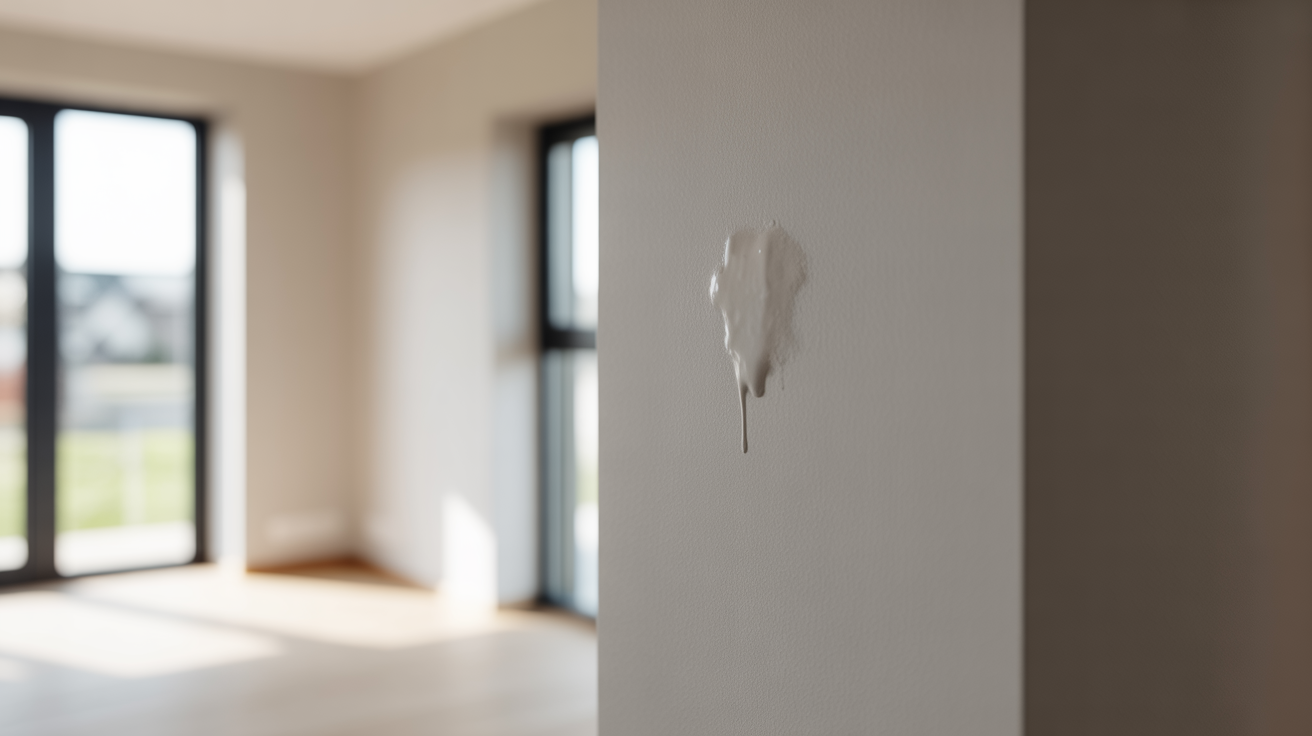
Cosmetic snags are defined as surface-level imperfections. While they don’t necessarily affect the functionality or safety of the home, they do not meet the legitimate expectations of buyers purchasing a new property. Common examples of cosmetic snags include paint drips, scratches on surfaces, uneven tiling, or poorly fitted fixtures [11]. Addressing these details contributes significantly to overall buyer satisfaction and the perceived quality of the build.
Comprehensive Scope of a New Build Snagging Inspection
A new build snagging inspection is a thorough process, encompassing a broad range of checks that cover both cosmetic and structural aspects of the property [11]. These inspections scrutinize various elements to ensure they meet quality standards.
Exterior checks are a key component of the inspection. Inspectors examine elements such as the building’s façade, roofing, windows, and doors. They look for issues related to proper installation, weather resistance, material quality, and overall finish [11].
Interior checks are equally comprehensive, covering walls, ceilings, flooring, and internal fixtures. This includes ensuring smooth and even paintwork, correctly laid tiles and flooring, properly functioning utilities, and securely fitted installations like kitchen units and bathroom suites [11].
Throughout the entire inspection process, inspectors focus on identifying issues related to the quality of finish, functional problems (such as doors that don't close properly or leaking taps), and any potential structural defects that could compromise the building's integrity or safety [11]. The growing prominence of online channels discussing new build quality, such as Real Life Architecture, reflects an increased awareness and concern among buyers, underscoring the importance of thorough snagging inspections in a market with a high volume of new constructions [11].
What is Snagging in Construction: A Comprehensive Guide
Understanding Snagging in Construction
Snagging, in the context of construction, refers to the crucial process of identifying and rectifying defects or incomplete works within a newly constructed building [12]. This quality control procedure is typically performed towards the end of a construction project, often during the final inspection phase. The primary objective of snagging is to ensure that all elements of the construction adhere to the contractual standards and specifications before the project is officially handed over to the client [12].
It is important to note that the term 'snagging' can carry different interpretations among various stakeholders in the construction industry, including contractors, clients, and project managers [12]. Despite these variations, its core function remains consistent: to deliver a finished product that meets all agreed-upon quality benchmarks.
Common Items Included in Snagging Lists
To systematically address and rectify identified issues, Architecture, Engineering, and Construction (AEC) teams often categorize items on a snag list. This organized approach ensures a seamless and high-quality project handover [12]. Below is an overview of common categories and the types of items typically included.
Indoor Items
Snags found within the interior of a building can range from minor cosmetic issues to more significant functional problems. Common indoor items include [12]:
- Painting and Finishes: Issues such as uneven paint application, blemishes, incorrect color usage, or damage to finished surfaces like walls, ceilings, and woodwork.
- Electrical Installations: Faulty switches, improperly installed sockets, non-functional light fixtures, or issues with wiring and circuit breakers.
- Plumbing: Leaks from pipes or fixtures, poorly installed sanitary ware, blocked drains, or issues with water pressure and temperature.
- Carpentry: Ill-fitting doors or windows, loose floorboards, damaged cabinetry, or poorly finished joinery.
Outdoor Items
The exterior of a building and its surrounding areas are also subject to snagging. Outdoor items often encompass [12]:
- Exterior Finishes: Defects in external rendering, cladding, brickwork (e.g., pointing issues), or paintwork.
- Landscaping: Incomplete or poorly executed landscaping work, issues with paving, fencing, or drainage in external areas.
- External Lighting: Non-operational or improperly installed outdoor lighting fixtures.
Structural and System Elements
More fundamental aspects of the building's construction are also reviewed during snagging [12]. These can include:
- Structural Elements: While major structural defects should be identified and rectified much earlier in the construction process, minor issues or finishes related to structural components might be noted during final snagging.
- Roofing: Problems such as loose or missing tiles, issues with guttering and downpipes, or signs of water ingress or leaks.
- Foundations: Significant foundation issues are critical and addressed during construction; however, surface-level manifestations or related minor defects might be part of a final snag list.
- Mechanical and HVAC Systems: This category covers operational and installation issues with:
- Heating Systems: Malfunctioning radiators, unresponsive thermostats, or problems with boilers and associated pipework.
- Ventilation: Inadequate airflow, excessively noisy fans, or improperly installed vents and ductwork.
Categories of Snags Based on Scope and Nature
Understanding and addressing different categories of snags based on their nature and scope is crucial for construction professionals. This categorization helps in prioritizing rectification work and significantly improves project outcomes by ensuring safety, quality, and ultimately, client satisfaction [12]. While specific categorizations can vary between projects and firms, they generally serve to differentiate between minor cosmetic issues (e.g., paint scuffs), functional defects (e.g., a window that doesn't close properly), and more serious problems that could impact the building's performance, safety, or compliance with regulations. A detailed examination of these categories, as might be further elaborated in industry resources, allows for a more structured and effective approach to the entire snagging process [12].
The ultimate new build snagging checklist for homeowners
The Critical Role of a Snagging Checklist for New Homeowners
Acquiring a new build property is a significant investment and an exciting milestone. To ensure this new asset meets the expected standards of quality and craftsmanship, a thorough snagging inspection is paramount. Snagging refers to the process of identifying defects or "snags" in a new property, ranging from minor cosmetic issues to more significant functional or structural problems that may have been overlooked during the construction phase or have arisen since.
A snagging checklist is an indispensable tool for homeowners, guiding them through a meticulous review of their new property, ideally conducted before legal completion or very shortly after moving in. The primary purpose of this checklist is to create a comprehensive list of all identified issues, which can then be formally submitted to the developer for rectification under the terms of the warranty. This process safeguards the buyer's investment and ensures the property is delivered to the promised standard, providing peace of mind and a home that is truly ready to be enjoyed.
Key Areas for Your New Build Snagging Inspection
A comprehensive snagging inspection should cover every aspect of your new home, both internally and externally. The following areas highlight common issues and essential checks that homeowners should perform. Being systematic and thorough is key to identifying all potential snags.
1. Exterior Elements
The inspection should begin before even stepping inside. Examine the exterior walls for any cracks in brickwork or rendering, and ensure pointing is consistent and complete. Check the roof for any loose or missing tiles, and ensure gutters and downpipes are securely fixed and clear of debris. Pathways, driveways, and any patios should be properly laid, level, and free from damage or pooling water. If applicable, inspect fences, gates, and boundary walls for stability and correct installation. Any landscaping, turf, or planting included in the sale should also be reviewed for quality and completeness [13].
2. Interior Structure and Finishes
Inside the property, pay close attention to the structural elements and overall quality of finishes. It is crucial to "Check for any visible defects such as cracks in walls and ceilings, misaligned doors and windows, uneven surfaces, poor plastering quality or" other finishing issues [13]. Cracks may be superficial settlement cracks, but could also indicate more significant problems. Uneven surfaces on floors or walls can be a sign of poor workmanship. Poor plastering might manifest as ripples, trowel marks, or an unsmooth finish that will be evident once decorated. Paintwork should be consistent, without drips, missed patches, or splatters on other surfaces. If wallpapered, check for straightness, matched patterns, and bubbles.
3. Doors, Windows, and Joinery
Misaligned doors and windows are common snags. Test every door (internal and external) to ensure it opens and closes smoothly, latches correctly, and fits properly in its frame without excessive gaps or sticking. Check that locks, handles, and hinges are secure and operate correctly. Windows should also open, close, and lock smoothly. Inspect glazing for scratches or cracks, and ensure there is no condensation between panes of double-glazed units, which would indicate a failed seal. All joinery, including skirting boards, architraves, and staircases (balustrades, handrails, spindles), should be securely fixed, well-finished, and properly aligned [13].
4. Kitchen Installations
The kitchen is a focal point and requires detailed inspection. Check that all units and worktops are level, securely fixed, and free from scratches, chips, or other damage. Cupboard doors and drawers should align correctly and operate smoothly with functional handles and soft-closers if fitted. Inspect tiling for cracks, chips, even spacing, and proper grouting. Ensure sinks and taps are correctly installed, sealed, and free from leaks. If appliances are included (oven, hob, extractor, fridge/freezer, dishwasher), verify they are the correct models, undamaged, and in working order [13].
5. Bathroom and Sanitaryware
Inspect all sanitaryware (toilets, basins, baths, shower trays) for chips, cracks, or blemishes. Ensure they are securely fixed and stable. Test that toilets flush correctly and cisterns refill appropriately. Taps and shower controls should operate smoothly, providing good water flow for both hot and cold water. Check for leaks around pipes, taps, and waste outlets. Shower screens and bath panels must be properly sealed to prevent water ingress. Examine tiling for quality of finish, including evenness, grouting, and sealant application. Ensure extractor fans are working effectively to manage ventilation [13].
6. Plumbing, Heating, and Ventilation
Beyond kitchens and bathrooms, check the overall plumbing and heating system. Look for any leaks from pipework or radiators. Test all radiators to ensure they heat up evenly and that valves are operational. Familiarize yourself with the location of the main water stopcock. The boiler should be functioning correctly, and you should receive all necessary documentation and warranties. Check for adequate water pressure throughout the property. Ensure ventilation systems, including trickle vents in windows and any heat recovery systems, are working as intended [13].
7. Electrical Systems
Test all electrical sockets (a socket tester is a useful tool for this), light switches, and light fittings. Ensure all are securely fixed and finished neatly. Check the consumer unit (fuse box) for correct labeling and accessibility. Verify that smoke alarms and carbon monoxide detectors are installed in the correct locations and are operational. If there are TV and phone points, check their condition and placement. Any external lighting or power points should also be inspected [13].
8. Flooring and Tiling
Inspect all types of flooring for correct installation and finish. Carpets should be properly fitted, without loose threads or bumps. Wooden or laminate flooring should be level, without gaps or squeaks. Vinyl flooring should be smooth and well-adhered. Check tiles on floors and walls for chips, cracks, lippage (uneven height), and consistent grouting. Ensure appropriate thresholds and transitions are used between different flooring types [13].
9. Attics and Basements (if applicable)
If your new build includes an attic or basement, these areas also require inspection. In attics, check for adequate insulation, proper ventilation, and any signs of leaks or structural issues. Ensure access hatches are correctly fitted. For basements, look for any signs of dampness, water ingress, or insufficient ventilation. Check that any tanking or waterproofing systems appear intact [13].
This comprehensive checklist approach, drawing from guidance such as that provided by resources like Matrix Structures UK [13], is vital for any new homeowner. The specific research instruction to "Check for any visible defects such as cracks in walls and ceilings, misaligned doors and windows, uneven surfaces, poor plastering quality or..." other potential problems, clearly underscores the necessity for detailed and meticulous attention across all facets of your new home. A thorough inspection protects your significant investment and helps ensure your new home meets the expected standards of quality and craftsmanship, allowing you to settle in with confidence.
Snagging List / New Build Report - Gold Crest Surveyors
Understanding Snagging Lists for New Build Properties
A snagging list, often referred to as a new build inspection report, is a comprehensive and detailed document outlining any defects or outstanding issues in a newly constructed property. The term 'snag' refers to a typically minor, though sometimes significant, problem or imperfection that remains in a new building after construction has been completed [14]. This assessment is usually conducted before the formal handover to the new owner or shortly after they move in, serving as a crucial quality control mechanism.
The scope of a snagging list is extensive, covering everything from cosmetic blemishes, such as scuffs on walls or poorly applied paint, to more functional issues like improperly fitted doors, faulty plumbing, or electrical problems. The primary goal of compiling this list is to formally notify the property developer of these deficiencies, enabling them to rectify the issues and ensure the property meets the agreed-upon standards and quality expectations.
The Purpose and Critical Importance of Snagging
The acquisition of a new build property is a significant financial investment. A snagging inspection and the resultant report play a pivotal role in protecting this investment. Its main purpose is to ensure that the new home is delivered in the best possible condition, free from defects that could inconvenience the owner or incur additional costs later on.
Key reasons for the importance of a snagging list include:
- Quality Assurance: It verifies that the construction work meets the required quality standards and complies with the agreed specifications.
- Developer Accountability: It provides a formal, documented list of issues that the developer is typically responsible for addressing under the terms of the new home warranty (e.g., NHBC Buildmark in the UK).
- Cost and Time Savings: Identifying and resolving snags early can prevent minor issues from escalating into more significant, costly problems in the future. It also saves the homeowner the time and effort of arranging repairs themselves.
- Peace of Mind: A thorough snagging report gives homebuyers confidence that their new property has been meticulously checked and that any problems will be addressed, allowing them to settle into their new home with fewer worries.
Without a detailed snagging list, homeowners might find it more challenging to get developers to fix issues post-completion, especially once the initial period for reporting defects has passed.
The Snagging Inspection Process
The snagging inspection is a meticulous visual examination of a new build property. Ideally, this inspection is carried out in the period between the building work being deemed complete by the developer and the legal completion of the sale. However, it is also common for inspections to occur shortly after the homeowner has moved in, typically within the first few weeks or months, to identify issues that may only become apparent with use.
During the inspection, a surveyor or the homeowner will systematically check all accessible parts of the property, both internal and external. This includes:
- Finishes: Paintwork, plastering, wallpaper, sealant application.
- Fixtures and Fittings: Kitchen units, bathroom suites, doors, windows, skirting boards, light fittings, sockets, and switches.
- Joinery: Quality of carpentry, fit of doors and windows, smoothness of surfaces.
- Flooring: Correct installation, absence of damage or defects.
- Plumbing and Heating: Functionality of taps, showers, toilets, radiators, and boiler (basic checks).
- Electrical Systems: Basic checks of light fittings, sockets, and consumer units.
- External Elements: Brickwork, roofing (from ground level), driveways, pathways, fencing, and drainage (surface level).
The findings are then compiled into a detailed report, often including photographic evidence, which is submitted to the developer for remedial action.
Common Defects Identified in New Build Properties
New build properties, despite being brand new, can present a variety of snags. These can range from minor cosmetic issues to more functional problems. Awareness of common snags helps homebuyers know what to look for.
Some frequently encountered defects include:
- Cosmetic Issues: Poor paint finishes, visible brush strokes, paint splatters, scuffs and scratches on surfaces (walls, floors, windows, worktops).
- Plasterwork: Uneven plaster, cracks, or poorly finished joints.
- Doors and Windows: Ill-fitting doors that stick or don't close properly, draughts, scratches on glass, faulty locks or handles, issues with window sealant.
- Fixtures and Fittings: Loose or poorly installed kitchen units, bathroom fittings, taps, or showerheads. Misaligned cupboards or drawers.
- Tiling: Chipped, cracked, or poorly aligned tiles. Incomplete or messy grouting and sealant.
- Flooring: Uneven floors, creaking floorboards, poorly laid carpet or laminate.
- Plumbing: Minor leaks from taps or pipes, slow draining sinks or showers, incorrectly installed appliances.
- Electrical: Non-functional sockets or light switches, misaligned fittings.
- External Issues: Incomplete or messy brickwork pointing, issues with guttering or drainage, unfinished landscaping or driveways.
- Insulation: Gaps in insulation, particularly in loft spaces, leading to heat loss.
While many of these are minor, their cumulative effect can detract from the enjoyment and quality of a new home [14].
Addressing Snags and Developer Responsibilities
Once the snagging list is submitted to the developer, they are generally obliged to rectify the identified defects within a reasonable timeframe. This responsibility is often covered by the new home warranty that accompanies most new build properties. The warranty provider (such as NHBC, LABC, or Premier Guarantee in the UK) sets out the standards developers must meet and provides a dispute resolution service if disagreements arise.
It is crucial for homeowners to:
- Submit the snagging list promptly, adhering to any deadlines specified by the developer or warranty provider.
- Keep detailed records of all communication with the developer regarding the snags.
- Allow reasonable access for the developer or their contractors to carry out the remedial work.
- Inspect the remedial work once completed to ensure it has been done to a satisfactory standard.
The Value of Professional Snagging Surveyors
While homebuyers can compile their own snagging list, engaging a professional snagging surveyor, such as those from Gold Crest Surveyors, offers significant advantages. Professionals possess a trained eye for detail, extensive knowledge of building regulations and quality standards, and experience in identifying defects that an untrained individual might overlook [14].
Benefits of using a professional service include:
- Thoroughness: Professionals conduct a more systematic and comprehensive inspection, often using specialized tools.
- Expertise: They understand common building defects and can distinguish between minor cosmetic issues and potentially more serious problems.
- Detailed Reporting: Professional reports are typically more detailed, clearly itemized, and may include references to relevant building standards, making them more effective when presented to developers.
- Time-Saving: A professional can complete a thorough inspection more efficiently.
- Objectivity: An independent surveyor provides an unbiased assessment of the property's condition.
Ultimately, a professional snagging report can provide greater leverage with developers and contribute significantly to ensuring the new home is finished to the highest possible standard, justifying the additional expense for many homebuyers seeking assurance and quality.
Mastering quality control: The role of construction snag lists
The Foundation of Quality Assurance: Defining Snag Lists
A snag list, also commonly known as a punch list in some regions, is a detailed and comprehensive document meticulously prepared to capture all outstanding, incomplete, or defective items identified at a construction project site [15]. This document serves as a vital quality control practice. Its primary function is to ensure that any issues, defects, or discrepancies from the agreed-upon specifications and quality benchmarks are systematically identified, documented, and subsequently resolved in accordance with industry standards. This critical process typically occurs before the project is considered complete and handed over to the client, thereby safeguarding quality and contractual compliance.
Enhancing Efficiency: The Importance of Snag Categorization
To ensure the effective utilization of construction snag lists and streamline the rectification process, it is crucial to implement a consistent and well-defined set of criteria for categorizing the identified snags and issues [15]. A systematic approach to categorization allows for better management and prioritization of corrective actions.
Key Categorization Criteria
A robust snag categorization system should incorporate various details to provide clarity and context for each issue. Important criteria include:
- Type of Issue: Classifying the snag based on its nature (e.g., structural, MEP, finishing, cosmetic, functional defect). This helps in assigning the right trade or personnel for rectification.
- Severity of the Issue: Assessing the impact of the snag on the project's safety, functionality, or aesthetics. This is often graded (e.g., critical, major, minor) to assist in prioritizing urgent fixes.
- Health and Safety Risks: Specifically identifying any snags that pose immediate or potential health and safety risks to occupants or workers. These items typically demand the highest priority for resolution.
Benefits of Consistent Categorization
By following a consistent approach to categorizing snags, construction teams can realize several benefits:
- Effective Prioritization: Teams can more effectively prioritize tasks, ensuring that critical or safety-related issues are addressed with urgency.
- Improved Workflow Management: Clear categorization facilitates smoother workflow management and more efficient allocation of resources (labor, materials, time) for rectifying defects.
- Enhanced Efficiency: A standardized system ensures that all identified issues are addressed in the most efficient and logical sequence, minimizing delays and contributing to the overall project timeline and quality standards.
Anatomy of a Snag List: Core Components and Documentation
A construction snag list is an essential tool for the methodical organization and documentation of issues and defects discovered during various stages of a project, particularly during inspections leading up to completion [15]. It consists of several key components that collectively serve as a comprehensive checklist. This checklist ensures a thorough inspection of all aspects of the construction and facilitates the prompt correction of any necessary changes or identified deficiencies. Diligent follow-up on all outstanding issues documented in the snag list is paramount to achieving the desired quality standards.
Essential Elements of a Snag List
While the specific format and content of a snag list can be tailored to project requirements, certain fundamental components are crucial for its effectiveness. One of the most critical elements for each entry is:
- Detailed Description of the Snag or Issue: Each item listed must include a clear, concise, and unambiguous description of the problem. This should ideally specify the exact location (e.g., room number, grid line, specific element), the nature of the defect (e.g., "cracked tile," "misaligned door," "paint splatter"), and potentially include photographic evidence, references to specific drawing numbers, or relevant quality standards [15].
Other vital components often include fields for assigning responsibility for rectification to a specific contractor or individual, setting deadlines for completion, noting the date of identification, and tracking the status of each snag (e.g., "open," "in progress," "completed," "verified"). This comprehensive documentation creates an auditable trail for quality control, ensures accountability, and helps in monitoring the progress of defect resolution effectively.
Chapter 4: The Snagging Process: Framework, Stakeholders, and Rectification

Snag Lists in Construction: Getting to Zero | Procore UK
Understanding Snag Lists in Construction
In the construction industry, a snag list, also known as a punch list in some regions, is a critical document compiled towards the end of a project. It itemizes any defects, discrepancies, or incomplete work that needs to be addressed by the contractor before the project can be officially handed over to the client or owner. The primary purpose of a snag list is to ensure that the final construction output aligns with the contractual agreements, quality standards, and the client's expectations. Striving for 'getting to zero' snags is the ideal scenario, indicating that all identified issues have been resolved to satisfaction, leading to a high-quality and defect-free handover.
The process of managing snag lists is integral to project closure and involves careful inspection, documentation, and collaborative effort to rectify all identified issues. This report will particularly focus on the key parties involved in this crucial stage of construction, highlighting their roles and interactions in achieving a zero-snag completion.
Key Stakeholders in the Snag List Process
The effective management and resolution of snag lists require the collaborative effort of several key stakeholders. Each party plays a distinct role in identifying, documenting, and rectifying issues to ensure the final product meets the agreed-upon standards and contractual obligations. There are multiple key stakeholders involved in the snag list process, including owners (or clients), main contractors, subcontractors, and architects or design consultants [16].
Specifically, owners or their representatives are typically responsible for the final inspection and formal acceptance of the rectified snags, ensuring the property aligns with their requirements and expectations. Main contractors generally hold the primary responsibility for managing the entire snagging process. This includes coordinating all necessary work, ensuring that all items on the list are addressed promptly and to the required standard, and often involves direct liaison with various subcontractors. Subcontractors are usually tasked with performing the actual repair, replacement, or completion tasks for their specific trades or areas of work. Architects and other design consultants may be involved in identifying snags related to design compliance, aesthetic finishes, and adherence to quality specifications; they may also play a role in verifying the adequacy of the remedial works. Clear communication protocols, well-defined responsibilities, and robust tracking mechanisms among these stakeholders are vital for efficiently navigating the snag list and achieving the ultimate goal of a successful project handover with zero outstanding defects.
What Is a Construction Snag List | Procore
Defining Construction Snag Lists
In the realm of construction project management, snag lists serve as a crucial tool and common practice. The fundamental purpose of a snag list is to ensure that all project specifications meticulously align with the terms and conditions stipulated in the construction contract [17]. Often referred to as a "punch list," this document comprehensively itemizes any defects, incomplete work, or tasks requiring rectification before a project is deemed fully completed and ready for handover.
A snag list acts as a detailed checklist, meticulously compiled during inspections, to identify discrepancies between the delivered work and the expected standards of quality and completeness. Effective management and resolution of items on the snag list are paramount for achieving client satisfaction and upholding professional construction standards [17].
Key Stakeholders and Collaborative Responsibility in the Snag List Process
The process of addressing and resolving items on a snag list is not the responsibility of a single individual. Given the complexity and scope of construction projects, attempting to assign this to one person would be overwhelming and impractical. Instead, it involves a collaborative effort among multiple key stakeholders [17]. The primary parties involved in the snag list process typically include:
- Owners (or client representatives)
- Main Contractors
- Subcontractors
- Architects and design teams
Each stakeholder plays a distinct and vital role in identifying, documenting, and rectifying snags to ensure the project's successful completion.
The Pivotal Role of the Main Contractor
The main contractor assumes a central and critical role throughout the snag list process. They function as the primary liaison, facilitating communication and coordination between the owner, various subcontractors, and the architect or design team. This central positioning makes them integral to the effective management of the snag list [17].
The main contractor's responsibilities in the snag list process are multifaceted and include:
- Populating the Snag List: Systematically incorporating the owner's requests, observations, and comments into the formal snag list document.
- Comprehensive Site Examination: Thoroughly inspecting the project site to identify any outstanding work, defects, or additional items that need to be included on the snag list beyond those initially noted by other parties.
- Task Allocation: Assigning the identified snagging items and associated responsibilities to the relevant subcontractors or internal teams for correction and completion.
By diligently fulfilling these duties, the main contractor ensures that all concerns are methodically addressed, leading to a final product that meets the required quality standards and contractual obligations [17].
The Ultimate Guide to Snag Lists - Deltek
Understanding Snag Lists in Construction and Property Development
A snag list, often referred to as a punch list in various regions, is an essential document within the construction and property development lifecycle. It serves as a formal, itemized list detailing any defects, incomplete work, or discrepancies observed in a newly constructed or recently renovated property. These 'snags' are typically identified during a final inspection phase, which occurs just before the property is officially handed over to the client or buyer. The fundamental purpose of a snag list is to ensure that the completed project meticulously adheres to the quality standards, technical specifications, and contractual obligations agreed upon by all parties.
The process of creating and managing a snag list is critical for quality assurance. It provides a transparent and actionable framework for contractors to address and rectify any outstanding issues, thereby safeguarding the client's investment and ensuring their satisfaction with the final product. Thorough snagging is crucial for upholding the reputation of construction professionals and for guaranteeing the long-term safety, functionality, and aesthetic integrity of the property.
Stakeholder Collaboration in Snag List Management
The successful management and resolution of a snag list is inherently a collaborative effort, rather than the responsibility of a single entity. A team of stakeholders, typically including project managers, contractors, and clients (or their representatives), is responsible for overseeing the entire snag list process [18]. Each of these parties collaborates closely to identify, document, track, and ultimately resolve all listed items, ensuring the project meets its quality objectives before final handover.
Roles and Responsibilities of Key Stakeholders:
- Clients / End-Users: As the ultimate recipients and occupants of the property, clients or their designated representatives play a crucial role in identifying snags, particularly those affecting usability, aesthetics, and compliance with their agreed-upon requirements. Their final approval is paramount.
- Project Managers: Project managers often lead and coordinate the snagging process. Their responsibilities include organizing and facilitating site inspections, ensuring accurate and comprehensive documentation of all snags, acting as a liaison between the client and contractors, monitoring the progress of remedial work, and verifying that corrections meet the required standards.
- Contractors / Subcontractors: The primary contractor and any relevant subcontractors are responsible for executing the physical construction and subsequently rectifying the snags identified. A clear, detailed, and well-organized snag list is vital for them to efficiently address all defects and complete the work satisfactorily.
The collaborative snag list management workflow generally follows these key stages:
- Identification and Inspection: Stakeholders, often together, conduct thorough inspections of the property to identify any defects, omissions, or subpar workmanship. This may involve multiple walk-throughs.
- Documentation: Each identified snag is meticulously recorded. This documentation typically includes a precise description of the issue, its exact location within the property, and often photographic evidence. Modern digital snagging tools and software can significantly enhance this stage by allowing for real-time data capture, standardized reporting, and easier sharing of information among stakeholders [18].
- Compilation and Distribution: All documented snags are compiled into a formal snag list, which is then distributed to all relevant parties, particularly the contractor responsible for rectification.
- Rectification: The contractor and their teams carry out the necessary corrective work to address each item on the snag list within an agreed timeframe.
- Re-inspection and Verification: Once the contractor reports that the snags have been rectified, a re-inspection is conducted by the project manager and/or client to verify that the work has been completed to the required standard and that the defect has been properly resolved.
- Sign-off and Closure: When all items on the snag list are confirmed as satisfactorily completed, the list is formally signed off by the relevant parties. This typically signifies that the property is ready for handover or that a particular phase of defect resolution is complete.
Effective communication, clear delineation of responsibilities, and the use of appropriate tools are crucial for a smooth and efficient snagging process. This collaborative approach helps to minimize disputes, maintain project timelines, ensure high-quality deliverables, and ultimately achieve client satisfaction [18].
Construction snag list: best practices - RDash
Understanding Snag Lists in Construction
A snag list in construction is a critical document that captures details about issues that need resolution before a project can be declared complete. Its successful execution requires a collaborative effort among various stakeholders, each playing a unique role [19]. Understanding how these stakeholders—owners, contractors, subcontractors, and architects/designers—interact with the snag list is essential for smooth project completion and client satisfaction.
The Role of Key Stakeholders in the Snag List Process
The effectiveness of the snag list process hinges on the distinct responsibilities and collaborative efforts of various parties involved in a construction project. Each stakeholder contributes to ensuring that the final build meets the required quality standards and contractual obligations [19].
The Contractor
The contractor plays a central role in the snag list process. Initially, it is up to the contractor, typically in collaboration with the project manager, to compile the snag list. This involves a thorough inspection of the construction site to identify and document any unfinished tasks or defects [19]. After compiling the list, the contractor presents it to the owner for approval and discusses how and when the items will be addressed. Post-approval, the contractor coordinates with subcontractors to manage and execute the necessary rectification works, ensuring all identified snags are resolved efficiently.
Architects and Designers
Architects or designers, while not directly involved in the physical correction of snags, play a crucial advisory and oversight role in the snag list process. They may be called upon to clarify the design or architectural intent of specific elements noted in the snag list, ensuring that the corrections align with the original plans and specifications [19]. Architects also participate in some of the site walkthroughs, particularly for snags that involve aesthetic or functional aspects of their design, to confirm that the resolutions meet the intended quality and design standards.
The Owner
The property owner is a key stakeholder whose approval is essential for the snag list. After the contractor compiles the list, it is presented to the owner for review. The owner examines the documented snags and, once satisfied, approves the list, often after discussing the proposed solutions and timelines for rectification with the contractor [19]. This approval step ensures that the owner's expectations are acknowledged and systematically addressed before the final project handover, contributing significantly to client satisfaction.
What is Snagging in Construction: A Comprehensive Guide
Defining Snagging in the Construction Context
Snagging is an essential quality assurance process in the construction industry. It refers to the meticulous inspection of a newly completed building or renovation project to identify any minor defects, imperfections, or incomplete work before the property is officially handed over to the client or owner. These identified issues are commonly referred to as 'snags'.
The outcome of this inspection is a 'snag list' (or 'punch list'), which is a comprehensive document itemizing all such defects. This list becomes the basis for rectification work, ensuring the final product meets the agreed-upon standards of quality and craftsmanship, as well as fulfilling all contractual obligations. The snagging process typically involves multiple stakeholders and can be broadly understood to occur across two main phases: defect identification and defect rectification [20].
The Snagging Process: From List Compilation to Project Completion
Once the snag list has been compiled through careful inspection and subsequently distributed to all relevant parties (including the main contractor and subcontractors), the project enters the crucial phase of defect resolution. Each stakeholder is then responsible for addressing the snags pertaining to their scope of work within a clearly specified timeframe. This structured approach is designed to ensure that all identified issues are rectified efficiently and to the required standard.
Following the completion of the rectification works, a final walkthrough is scheduled. This critical inspection typically involves the owner (or their designated representative) and the main contractor. The purpose of this walkthrough is to jointly verify that all items documented on the snag list have been resolved satisfactorily. If this final inspection confirms that all snags are addressed and no new significant issues are discovered, the owner provides their official sign-off. This sign-off signifies that the project has met all contractual stipulations and quality benchmarks, marking the formal completion and handover of the project.
This systematic approach to snagging underpins the entire quality assurance framework. It fosters accountability among all parties involved, ensures that high standards of quality are upheld, and is paramount in achieving client satisfaction with the delivered property.
Key Stakeholders and Their Respective Roles in Snagging
In any construction project, the snagging process involves the coordinated efforts of multiple stakeholders. Each of these stakeholders has distinct roles and responsibilities, particularly during the defect identification and resolution phases, to ensure the project meets the required standards before the final handover. The primary stakeholders include the owner, the main contractor, and various subcontractors.
The Owner
The owner (or client) plays a crucial role in the snagging process, primarily centered on verifying that the completed project aligns with their expectations, contractual agreements, and quality standards. Key aspects of the owner's involvement include:
- Participating in or commissioning initial snagging inspections to identify defects.
- Reviewing, commenting on, and formally approving the snag list compiled.
- Actively participating in the final walkthrough to confirm that all listed snags have been adequately rectified.
- Providing the ultimate sign-off, signifying their acceptance of the project's condition and triggering the official handover.
The Main Contractor
The main contractor is central to managing and executing the snagging process, especially during the resolution phase. Their responsibilities are comprehensive and include:
- Receiving and disseminating the snag list to the relevant subcontractors.
- Coordinating with all subcontractors to ensure that each item on the snag list is addressed effectively and in a timely manner.
- Overseeing and managing the entire remediation process, ensuring that all defects are corrected to the required quality standards and within the agreed-upon project timeline.
- Conducting their own interim inspections during the rectification work to monitor progress, verify the quality of repairs, and ensure compliance.
- Liaising with the owner and facilitating the final walkthrough inspection.
Subcontractors
Subcontractors are typically specialist trades or firms responsible for specific portions of the construction work. In the snagging process, they are directly responsible for rectifying defects that have been identified within their particular scope of work. Their phase involvement includes:
- Receiving detailed information about the snags relevant to their specific trade or work package from the main contractor.
- Undertaking the necessary corrective actions to meticulously fix the identified defects in their work.
- Ensuring that their remedial work meets the required quality standards and specifications before it is presented for re-inspection by the main contractor and, subsequently, the owner.
Chapter 5: Legal Frameworks and Consumer Rights in Defect Resolution

Legal Rights And Snagging Surveys | Understanding Your Protections
Foundations of Homebuyer Protection: Legal Rights and Snagging Surveys
Legal rights for new homebuyers encompass a range of entitlements and protections specifically designed to ensure that the property they are purchasing meets expected standards of quality and condition. These fundamental rights extend to ensuring that the property is free from any hidden defects or significant issues that could potentially arise after the purchase has been completed [21].
In the context of newly constructed properties, snagging surveys emerge as an indispensable step. A snagging survey is a detailed inspection conducted to identify and document any defects, imperfections, or 'snags' that may have occurred during the construction process. Undertaking such a survey is a crucial measure for homebuyers, allowing them to verify the craftsmanship and condition of their new home before finalizing the transaction and taking possession.
Ensuring Quality: Guarantee Agreements, Consumer Rights, and Professional Inspections
Homebuyers are further safeguarded by a framework of legal protections. These protections prominently include guarantee agreements and broader consumer rights, all aimed at ensuring they receive a quality property that is substantially free from defects [21].
Guarantee agreements are formal contracts typically established between the homebuyer and the developer or builder. These agreements provide a warranty for certain aspects of the property for a specified duration. Common areas covered by such guarantees include major structural elements, the proper functioning of mechanical systems (like plumbing, heating, and electrical installations), and other key components of the new build. These agreements offer a defined recourse should issues arise within the warranty period.
Engaging the services of a qualified and independent surveyor to perform a comprehensive snagging survey offers homebuyers significant reassurance and peace of mind. A professional surveyor meticulously inspects the property, ensuring that any identified defects are formally documented. This detailed report can then be presented to the developer or seller for rectification, ideally before the finalisation of the purchase. This proactive approach is vital for upholding quality standards and protecting the buyer's substantial investment.
The Critical Role of Awareness and Due Diligence
A thorough understanding of their legal rights, coupled with the proactive measure of conducting detailed snagging surveys, is of paramount importance for individuals purchasing new homes. These actions are crucial steps to ensure that the acquired property is not only free from construction defects but is also adequately protected under the terms of any applicable warranty or guarantee agreement [21]. Such informed due diligence empowers homebuyers, effectively safeguarding their significant financial and emotional investment in a new property.
What is a Snagging List? Inspection, Guide & New Home Standards
The Critical Role and Process of Snagging Inspections
Snagging inspections are a fundamental component in the development of new build homes. These inspections involve detailed checklists and comprehensive frameworks designed to ensure that every aspect of a property, from its foundational elements to the final finishing touches, adheres to the high standards anticipated for a brand-new home. The primary purpose of a snagging inspection is to meticulously compile an extensive "snagging list," which documents any defects or 'snags' identified within the new property [22].
These identified issues can range from minor cosmetic imperfections, such as paint drips or inconsistently applied finishes, to more substantial structural concerns that could impact the property's integrity or habitability. The early identification of these snags is crucial, as it provides an opportunity for the builder to address and rectify them promptly. This proactive approach prevents minor issues from escalating into more significant problems or becoming more costly to repair later [22].
Upholding New Home Standards: Buyer Rights and Inclusivity
Empowering Homebuyers with Independence
It is vital that customers are fully aware of their rights when purchasing a new home. This includes the strong recommendation to appoint independent legal advisers to guide them through the purchasing process. Furthermore, customers possess the right to request an independent pre-completion inspection. This inspection should occur before the legal completion of the property purchase, offering an additional layer of scrutiny and protection for the buyer.
Commitment to Accessibility and Support
Developers and relevant bodies must take proactive steps to identify and provide appropriate support to vulnerable customers. Ensuring inclusivity also means that the new home standards code, which outlines expectations and processes, is readily available to all customers. This includes providing the code in various appropriate formats and languages to cater to diverse needs and ensure comprehensive understanding across the customer base [22].
[PDF] New Homes Quality Board - Code of Practice
Key Provisions from the NHQB Code of Practice Regarding Home Modifications and Timelines
The New Homes Quality Board (NHQB) Code of Practice provides essential guidelines for both developers and customers in the event of alterations to new home specifications. For instance, if a developer makes changes to the design or materials of the new home that are not classified as major changes, specific rules apply [23]. Under these circumstances, the customer does not have the right to cancel the reservation agreement or contract of sale due to these non-major changes. Furthermore, formal agreement from the customer for such non-major changes is not mandated by the Code. However, an important protection for the customer is their right to complain about any resulting defects or 'snags' if they had not explicitly agreed to these modifications to the original specifications [23].
The Code of Practice also addresses situations where a developer has agreed to carry out extra work for the customer, which may alter the construction timeline. If this additional, agreed-upon work impacts the original schedule for completing the new home, the Code stipulates that the anticipated completion date may consequently need to be adjusted [23]. This provision ensures transparency and helps manage expectations regarding the final delivery of the new home when changes to the scope of work occur.