Enhancing Your Home: A Guide to Sourcing and Installing Custom Blinds and Curtains
Introduction
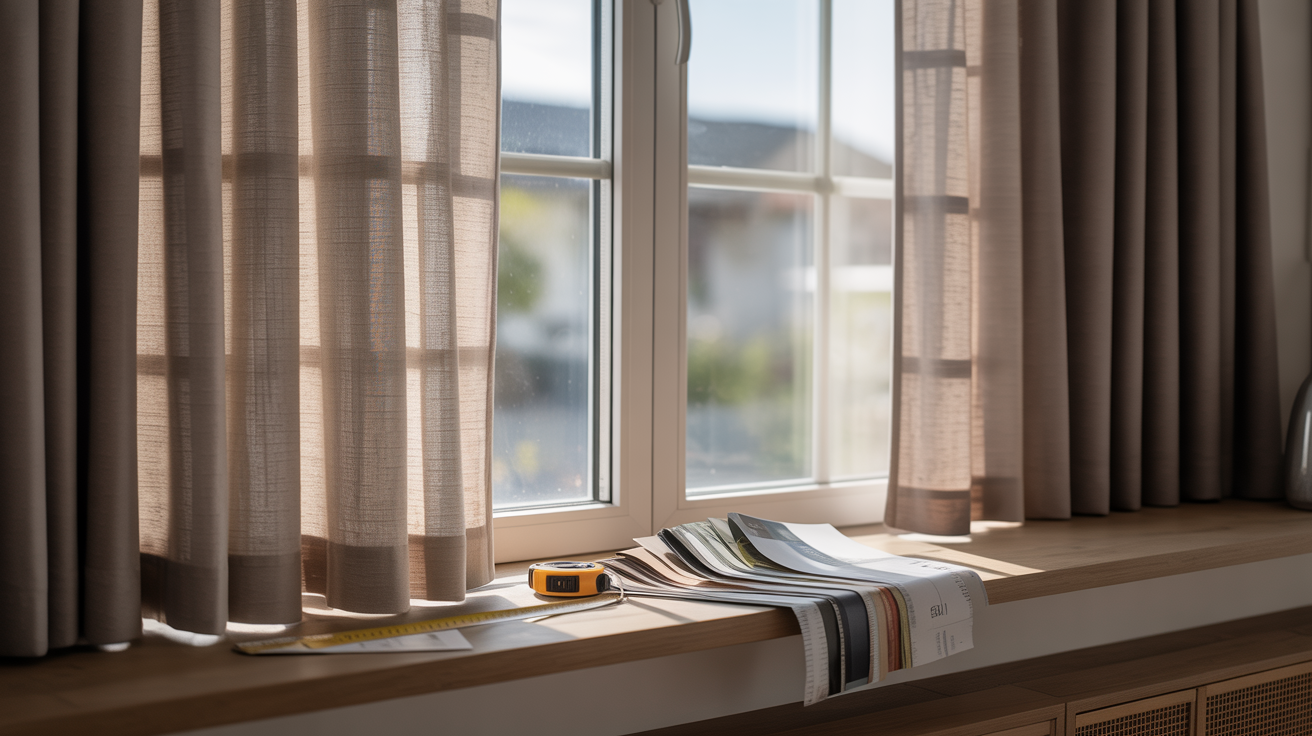
Custom window treatments, such as blinds and curtains, play a crucial role in enhancing the aesthetic appeal, comfort, and privacy of any property. They offer a tailored solution to light control, insulation, and interior design, allowing homeowners to perfectly match their functional needs and stylistic preferences. However, the process of selecting, sourcing, and installing these custom elements can often seem daunting, with numerous choices and technical considerations to navigate.
This report provides a comprehensive guide to simplify the journey of acquiring custom blinds and curtains. We will delve into the various types and materials available, explain how to measure windows accurately for a perfect fit, and offer strategies for comparing suppliers and obtaining competitive quotes. Furthermore, we will weigh the pros and cons of DIY versus professional installation, and conclude with essential cost considerations and budgeting advice to help you make informed decisions for your property.
Index
- Chapter 1: Exploring Types and Materials for Custom Blinds and Curtains
- Chapter 2: Measuring Windows Accurately for a Custom Fit
- Chapter 3: Comparing Suppliers and Securing Quotes
- Chapter 4: DIY vs. Professional Installation: Making the Right Choice
- Chapter 5: Budgeting and Cost Considerations for Custom Window Coverings
Chapter 1: Exploring Types and Materials for Custom Blinds and Curtains
Aesthetic and Functional: Exploring Different Types of Blinds for ...
The Significance of Blinds in Home Ambiance and Functionality
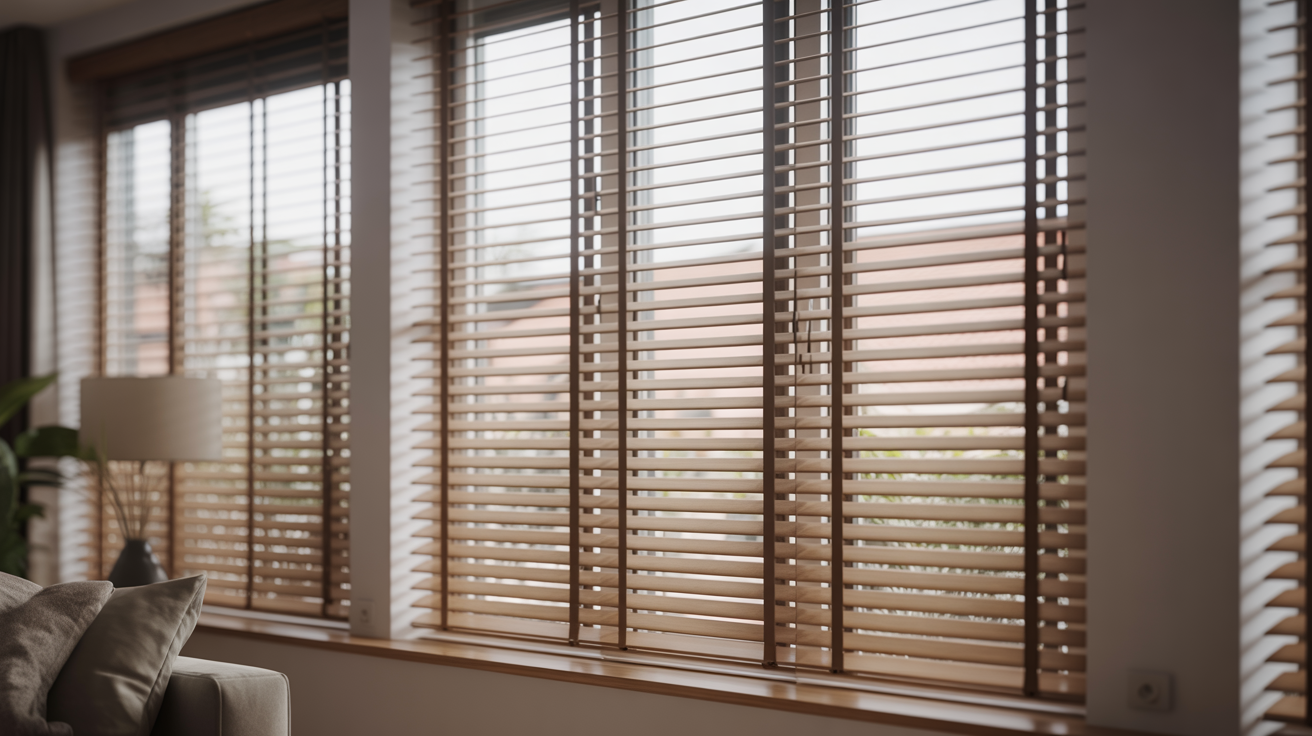
Window blinds are not only practical installations for controlling light and ensuring privacy, but they also play a significant role in transforming the overall ambiance of a home. By exploring the diverse range of blinds available—such as Venetian, roller, Roman, and vertical blinds—homeowners can discover window coverings that perfectly align with their stylistic preferences and functional requirements [1].
When selecting blinds, it is crucial to consider several factors. These include the desired level of light control, privacy needs, potential insulation benefits, ease of maintenance, and the overall design aesthetic one aims to achieve. Given the wide variety of options on the market, making an informed decision can significantly enhance both the utility and visual appeal of any living space [1].
A Closer Look at Popular Blind Types
Venetian Blinds
Venetian blinds stand out as a classic and highly versatile choice, celebrated for their timeless appeal. These blinds are offered in a variety of materials, including wood, aluminum, PVC, and composite wood, providing robust options for light control and privacy. Their characteristic adjustable horizontal slats can be easily tilted to modulate the amount of incoming light and to secure the desired level of privacy. Venetian blinds are adaptable to virtually any window size and can seamlessly complement a wide array of interior design styles [1].
Roman Blinds
Roman blinds are favored for lending an elegant and soft aesthetic to any room. Crafted from fabric, these blinds fold up neatly in horizontal sections when raised, creating a sophisticated and cultured appearance. Roman blinds are available in an extensive selection of fabric choices, encompassing plain, patterned, and textured designs. They offer high customizability to match specific interior design themes, thereby adding a touch of luxury to home decor. Balancing aesthetic charm with practical light control, Roman blinds exemplify versatility and functionality [1].
Vertical Blinds
Vertical blinds are another prominent option in the realm of window treatments. While the provided research acknowledges them as a category [1], it does not offer extensive details on their specific materials or unique advantages. Typically, vertical blinds consist of individual vertical slats that can be tilted or drawn aside, making them particularly suitable for large windows, patio doors, and sliding glass doors.
Roller Blinds
Roller blinds are recognized for their simplicity and effectiveness as a window covering solution. The available information confirms their status as a type of blind [1] but does not elaborate on their detailed characteristics. Generally, roller blinds feature a single piece of fabric that retracts smoothly onto a cylindrical roller mechanism, offering a clean and unobtrusive look.
What are the types of custom blinds for windows? - Quora
Understanding Custom Window Blinds
Custom window blinds are a popular and versatile choice for window treatments, offering precise control over light, privacy, and room temperature, while also significantly contributing to the interior aesthetics of a space. Unlike standard-sized options, custom blinds are tailored to the exact dimensions of your windows, ensuring a perfect fit and a polished look. They are available in a diverse range of styles, materials, colors, and operating mechanisms, catering to a wide spectrum of functional requirements and design preferences [2].
This report details the primary categories of custom window blinds commonly available in the market. Understanding the distinct features, benefits, and typical applications of each type can help homeowners, renters, and interior designers make well-informed decisions when selecting the ideal window coverings for their specific needs.
Key Categories of Custom Blinds
There are generally five basic categories of custom blinds, each offering unique advantages and aesthetic qualities: vertical blinds, horizontal blinds, cellular blinds, roller blinds, and woven wood blinds [2]. Below, we explore each of these types in detail.
Vertical Blinds
Vertical blinds feature individual slats, or vanes, that run vertically from a headrail installed at the top of the window or door frame. These vanes can be rotated up to 180 degrees to precisely control the amount of light entering the room and the level of privacy. They can also be drawn completely open to one side or split in the middle, stacking neatly to provide an unobstructed view. Vertical blinds are highly practical for large windows, tall windows, sliding glass doors, and patio doors, as they are easy to operate across wide expanses [2]. Common materials for vertical blinds include PVC (vinyl), fabric, and faux wood, each offering different textures, durability, and light-filtering capabilities. They are available in a wide array of colors and patterns to match various decor styles.
Horizontal Blinds
Often referred to as Venetian blinds, horizontal blinds are a classic and widely recognized window treatment. They consist of horizontal slats that are connected by cords, allowing them to be tilted to adjust light and privacy, or raised and lowered. Horizontal blinds are highly versatile and suitable for most standard window sizes and types. They are manufactured from various materials, including durable aluminum, cost-effective vinyl, moisture-resistant faux wood, and elegant real wood. The slat sizes typically range from 1/2-inch micro blinds to 2.5-inch or wider slats, with 1-inch and 2-inch options being very common. The choice of material and slat size can significantly impact the blind's appearance and functionality.
Cellular Blinds (Honeycomb Blinds)
Cellular blinds, also known as honeycomb blinds, are distinguished by their unique cellular construction. These blinds are crafted from one or more layers of fabric pleated into honeycomb-shaped cells. This design traps air within the cells, creating an insulating barrier that helps to keep rooms warmer in winter and cooler in summer, potentially leading to energy savings. Cellular blinds are available in single-cell, double-cell, and even triple-cell configurations, with increasing cell layers offering enhanced insulation and sound absorption. They come in a vast selection of colors, textures, and opacities – from sheer and light-filtering to room-darkening and complete blackout. Many cellular shades offer versatile operating options, such as top-down/bottom-up, which allows the shade to be lowered from the top, raised from the bottom, or positioned anywhere in between for flexible light control and privacy.
Roller Blinds
Roller blinds are a simple, sleek, and highly functional window covering solution. They consist of a single piece of fabric that wraps around a roller mechanism, typically housed in a cassette or mounted directly to the window frame. When raised, the fabric rolls up neatly, offering an unobstructed view. When lowered, they provide a smooth, uniform appearance. Roller blinds are available in an extensive range of fabrics, including translucent sheers, light-filtering textiles, room-darkening materials, and blackout options designed to block nearly all incoming light. They also come in numerous colors, patterns, and textures, making them adaptable to any decor style, from minimalist to bold. Operation methods include standard spring-loaded mechanisms, continuous loop chains, or motorized systems for convenient remote control.
Woven Wood Blinds (Natural Shades)
Woven wood blinds, sometimes called natural shades or bamboo blinds, bring an element of natural beauty and texture to interiors. They are crafted from renewable materials such as bamboo, reeds, grasses, jutes, and other natural fibers that are woven together. These blinds filter light gently, creating a warm, diffused ambiance in the room while allowing glimpses of the outdoors. The level of light filtration and privacy depends on the tightness of the weave; some looser weaves are quite transparent, while tighter weaves offer more coverage. For enhanced privacy or room darkening, woven wood blinds can be fitted with an attached liner (either light-filtering or blackout). They are available in various styles, such as standard roll-up or Roman-style folds, and come in a rich palette of natural tones and textures that complement a wide range of decor themes, including rustic, bohemian, coastal, and contemporary.
Making an Informed Choice
When selecting custom blinds, it's important to consider the specific needs of each room. Factors such as the desired level of light control, privacy requirements, insulation benefits, window size and orientation, and overall aesthetic goals will guide the decision-making process. Each type of blind offers a unique combination of features to address these considerations [2].
By understanding the characteristics and advantages of vertical, horizontal, cellular, roller, and woven wood blinds, property owners can more effectively choose window treatments that not only enhance the functionality of their windows but also elevate the style and comfort of their living or working spaces.
Modern Window Treatments: Exploring Types of Blinds for Windows
Introduction to Modern Window Blinds
Modern window treatments are essential in shaping the aesthetic appeal, comfort, and privacy of interior spaces. Among the diverse options available, blinds stand out for their versatility in light control, insulation, and contribution to overall interior design. This report delves into various types of window blinds, highlighting their characteristics, current style trends, and practical considerations to aid in making well-informed decisions for any property.
Exploring Key Types of Window Blinds
The choice of window blinds can profoundly influence a room's atmosphere and functionality. A clear understanding of the distinct features of various materials and operational mechanisms is vital for selecting the ideal blinds.
Wood Blinds
Wood blinds are highly valued for their natural elegance and adaptability. Crafted from authentic wood, these blinds introduce a sense of warmth and character to any setting, distinguished by their textured grain and organic color variations. They present a multitude of design possibilities and can be customized with different stains, allowing them to integrate seamlessly into almost any décor theme. Their robust yet lightweight construction also facilitates easier installation [3]. Ultimately, the selection of wood blinds often comes down to individual needs and stylistic preferences.
Faux Wood Blinds
For environments susceptible to high humidity, such as bathrooms or kitchens, faux wood blinds offer a practical and durable solution. These blinds are specifically engineered to resist moisture, providing the aesthetic appeal of real wood without the risk of warping or damage from humidity [3]. They are an excellent choice for maintaining style in moisture-prone areas.
Motorized Blinds
Motorized blinds represent the cutting edge of convenience in window treatments. Offering effortless adjustment of light levels and privacy at the touch of a button or via smart home systems, they are ideal for hard-to-reach windows or for users seeking a sophisticated, automated home environment [3]. This technology adds a layer of luxury and practicality to modern living spaces.
Current Trends in Window Blinds
The latest trends in window blinds emphasize clean aesthetics, enhanced functionality, and a growing consciousness towards sustainability.
Minimalist and Sleek Designs
Current design preferences are notably leaning towards clean, minimalist aesthetics. Roller shades, appreciated for their sleek profile and straightforward operation, are increasingly popular. Similarly, sleek metal Venetian blinds continue to be a favored option, offering a contemporary look combined with precise light control capabilities [3].
Rise of Eco-Friendly Materials
Sustainability is a significant driver in current home décor trends, and window treatments are no exception. There is a discernible increase in the popularity of eco-friendly materials for blinds. Consumers are actively seeking options made from sustainable and renewable resources, reflecting a broader commitment to environmentally responsible choices in interior design [3].
Balancing Light Control and Privacy with Blinds
Window blinds are crucial for effectively managing natural light ingress while safeguarding privacy. The specific design elements of the blinds, especially slat size, are key to achieving this balance.
Beyond the choice of color, the dimensions of the slats provide an additional layer of customization. Narrow slats can offer a more refined, classic appearance and ensure substantial privacy when fully closed. Conversely, wider slats can maximize the influx of natural sunlight when open, while still offering complete privacy when tilted shut [3]. The adjustability of slats provides a versatile means to modulate light and external visibility according to the time of day and desired ambiance.
The Practicality of Wood Blinds
The practical advantages of wood blinds extend beyond their aesthetic appeal. Their natural material composition enhances visual interest significantly through distinctive grainy textures and organic color variations. Available in a wide array of stains, they can be tailored to complement diverse interior design themes. Moreover, their durable construction ensures long-term performance, while their relatively lightweight nature simplifies the installation process [3]. These practical attributes, coupled with their timeless charm, solidify wood blinds as a consistently preferred choice for many homeowners. However, the final decision always depends on individual requirements and specific needs.
Comparing Types of Blinds: Which Is Right for You? - Aero Shade
Navigating the World of Window Blinds
Choosing the right window blinds involves considering various types, styles, and materials to meet specific functional and aesthetic needs within a home or office. The world of window blinds offers a diverse range of options, and understanding these can help in making an informed decision [4]. This exploration aims to provide insights into selecting the best style and material for your windows.
Historical Context and Material Evolution
The concept of Venetian blinds, a popular style even today, has a notable history. John Webster, an upholsterer from London, is credited with introducing Venetian blinds as we currently recognize them to the New World in 1767. These early versions typically featured wide wooden slats. It's fascinating to consider that some antique blinds might even predate significant historical events like the American Revolution.
While Webster's original designs were characterized by wood, the modern market presents a significantly broader choice of styles and materials. This evolution means that consumers now have access to blinds crafted from various substances, each offering different properties and suitabilities. Selecting the appropriate material is particularly crucial for specific environments, such as high-humidity areas like bathrooms or kitchens, where moisture resistance can be a key factor in the longevity and performance of the blinds.
The Advantage of Custom Blinds
For windows that deviate from standard dimensions or for homeowners seeking a perfectly tailored aesthetic, custom blinds offer an excellent solution. Many manufacturers and dealers, including specialists like Aero Shade, provide custom blind services [4]. Opting for custom-made blinds ensures a more precise fit and a sophisticated look that can significantly enhance interior decor. These blinds are specifically designed to accommodate unique window shapes, such as arched, angled, or oversized windows, where off-the-shelf options may not suffice.
Effective Cleaning and Maintenance for Longevity
Proper cleaning and maintenance are essential to preserve the appearance and functionality of window blinds. The appropriate cleaning method largely depends on the material from which the blinds are constructed.
Cleaning Methods by Material
Different materials require different care routines:
- Vinyl and Metal Blinds: These materials are generally robust and easy to clean. They can typically be wiped down with a damp cloth to remove dust and grime. For more stubborn marks, a mild detergent solution can be used.
- Wood Blinds: Natural wood blinds require more gentle care. They should be dusted regularly with a soft cloth, feather duster, or a vacuum cleaner with a brush attachment. Avoid using water or liquid cleaners unless specified by the manufacturer, as moisture can damage the wood.
- Faux Wood Blinds: Faux wood blinds offer the appearance of real wood but are more resistant to moisture. They can often be cleaned with a damp cloth, making them a practical option for areas with higher humidity. However, it's still wise to check specific care guidelines.
Adherence to Manufacturer’s Instructions
Regardless of the material, it is crucial to always consult and follow the manufacturer’s care instructions. These guidelines provide specific recommendations tailored to the product, ensuring that cleaning is performed effectively without causing damage. Following these instructions will help maintain the blinds' appearance and extend their lifespan.
Your Guide to Window Coverings - The Shade Store
Exploring Window Covering Options
This guide explores the diverse collection of custom window treatment products and materials available from The Shade Store. These offerings are designed to enhance both the aesthetics and functionality of any space, providing tailored solutions for your windows [5].
We will detail key features such as available styles, materials, shipping times, starting price points, and financing options for various product categories. This information aims to help you make an informed decision when selecting the perfect window coverings for your needs. Financing is available for many products to help you achieve your design goals.
Wood & Wood Alternative Blinds
The Shade Store offers a collection of blinds showcasing sustainably sourced all-natural woods and versatile wood alternatives. This range includes three distinct styles and provides access to over 65 exclusive finishes, allowing for a high degree of customization to match your interior design [5].
Key features of Wood & Wood Alternative Blinds:
- Ships in 7 days or less!
- Prices From $220
- Financing Available
Vertical Blinds
For a beautiful and modern alternative to traditional drapery, consider The Shade Store's Vertical Blinds collection. These blinds are an excellent choice for large windows and sliding doors, featuring over 250 exclusive and eco-friendly materials [5].
Key features of Vertical Blinds:
- Ships in 7 days or less!
- Financing Available
Drapery Collections
Explore the extensive Drapery product options, customizations, and fabric selections available at The Shade Store to determine if Drapery is the ideal choice for enhancing your space. This collection offers numerous ways to create the perfect ambiance with elegant and functional drapery solutions [5].
Shopping and Customization
You can shop by pleat style and hardware systems to find your perfect drapes. The Shade Store allows you to explore a wide range of customizations, including various pleat styles, lining options, diverse fabric choices, and more, enabling you to tailor the drapery precisely to your aesthetic preferences and functional requirements.
Drapery Fabrics
Discover the ideal color, pattern, and texture for your Drapery from an extensive selection of high-quality materials. These fabrics are designed to complement any interior design scheme, ensuring a cohesive and stylish look.
Considerations: Blinds or Curtains?
When choosing between window treatments, it's important to consider factors such as desired light control, privacy needs, overall aesthetic preferences, and maintenance efforts. The Shade Store provides resources to help you evaluate whether blinds or curtains (drapery) are better suited for your specific space and lifestyle [5].
Key Drapery Information:
- Prices From $625
- Financing Available
Metal Blinds
For a sleek, versatile, durable, and affordable window covering solution, consider The Shade Store's 2” Metal Blinds. These blinds are crafted from sturdy, long-lasting aluminum, making them a practical and stylish choice. They are available in nine stylish finishes to suit various decors [5].
Key features of Metal Blinds:
- Ships in 7 Days or Less!
- Prices From $190
- Financing Available
Chapter 2: Measuring Windows Accurately for a Custom Fit
The Ultimate Guide To Measuring Windows For Blinds: Step-by-Step ...
The Critical Role of Accurate Measurements
Measuring your windows accurately for blinds is an essential initial step in achieving the perfect fit and enhancing the overall aesthetic appeal of your home. By understanding the importance of precise measurements, you can confidently approach the task, whether you are choosing inside or outside mount blinds. Following step-by-step instructions and being aware of common pitfalls will help ensure that your installation process goes smoothly [6].
Furthermore, taking the time to measure your windows correctly can save you both time and money in the long run. Ordering blinds of the wrong size often leads to the frustrating hassle of returning products and waiting for replacements. Custom blinds, in particular, can be a significant investment, and incorrect measurements may result in unnecessary expenses and wasted resources. Ensuring accuracy from the start eliminates the risk of errors that could prove costly.
Essential Tools for Measuring
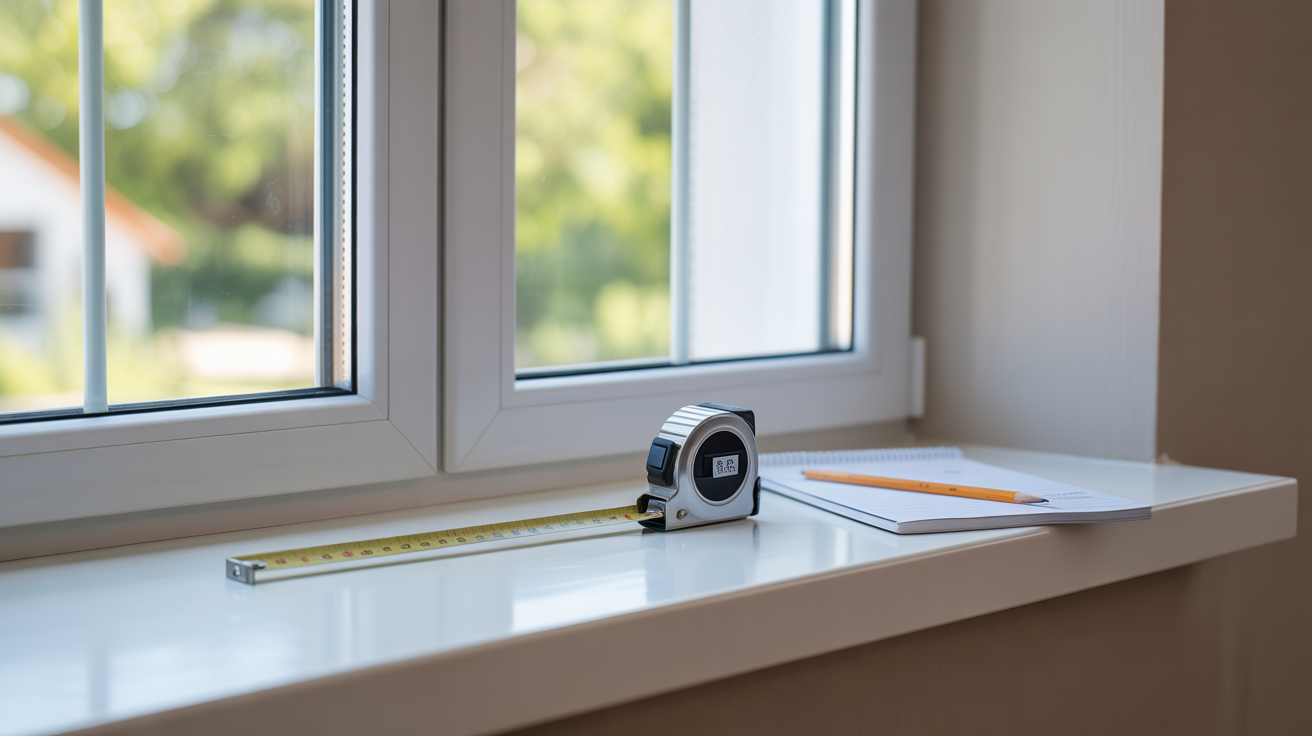
Before you begin measuring, it's crucial to gather the right tools to ensure precision. For most window blind measurements, you will need the following:
- A Metal Measuring Tape: Use a sturdy steel measuring tape for the most accurate readings. Cloth or plastic tapes can stretch or bend, leading to inaccuracies.
- Pencil or Pen: To jot down your measurements.
- Notebook or Paper: Keep a dedicated sheet or notebook to clearly record all measurements. It's helpful to sketch the window and note measurements directly on the sketch.
Having these simple tools readily available will streamline the measuring process and help you proceed with confidence.
Step-by-Step Instructions for Inside Mount Blinds
Inside mount blinds are installed within the window frame, providing a clean, built-in look. To measure your windows accurately for inside mount blinds, follow these detailed instructions [6]. Accuracy and precision are key.
Measuring the Width for Inside Mount:
- Measure at Three Points: Start by measuring the width of the window opening at the top of the frame, from the left inside edge to the right inside edge.
- Next, take the same width measurement in the middle of the window opening.
- Finally, measure the width at the bottom of the window opening.
- Record the Smallest Width: Windows are often not perfectly square. Of the three width measurements (top, middle, and bottom), identify and record the narrowest (smallest) one. This is the critical width measurement you will provide when ordering your blinds. Do not make any deductions yourself; the manufacturer will typically make the necessary small adjustments for a proper fit.
Measuring the Height for Inside Mount:
Accurate height measurement is just as important as width for a good fit.
- Measure at Three Points: Measure the height of the window opening from the top inside edge (head) of the frame down to the top of the sill. Take this measurement on the left side.
- Repeat this height measurement in the middle of the window opening.
- Finally, take the height measurement on the right side of the window opening.
- Record the Smallest Height: Similar to the width, use the shortest of these three height measurements for your order. If your window does not have a sill (e.g., some patio doors), measure to the point where you want the blind to end.
Key Considerations for Inside Mount Blinds:
- Window Depth: Ensure your window frame has sufficient depth to accommodate an inside mount. Check the blind manufacturer's specifications for the minimum recess depth required for the specific type of blind you are choosing. If the depth is insufficient, you may need to consider an outside mount.
- Check for Obstructions: Carefully inspect the window frame for any obstructions such as window cranks, handles, alarm sensors, or trim that might interfere with the blind's installation or operation. Measure the depth from the front of any such obstruction to the glass.
- Measure Each Window Individually: Even if windows appear to be the same size, always measure each one. Variations are common, even in newer homes.
By following these detailed steps and considerations, you can avoid common measuring mistakes and ensure that your custom inside mount blinds fit perfectly, enhancing the beauty and functionality of your space.
How to Measure for Custom Blinds & Shades - Blindsgalore Blog
Introduction: Simplifying DIY Window Measurement
Measuring windows for custom blinds and shades does not require professional expertise; it is a straightforward process that can be accomplished with minimal tools and guidance. The primary tools needed are a steel tape measure and a clear understanding of the steps involved. This task can typically be completed quickly, often in the time it takes to brew a pot of coffee. It's noteworthy that a vast majority of customers, reportedly over 99%, successfully measure and install their own window treatments [7]. The aim is to make the do-it-yourself (DIY) process as easy as possible.
The Importance of Accurate Measurements and Mount Types
Accurate measurements are crucial for ensuring that custom blinds and shades fit perfectly, function correctly, and provide the desired aesthetic. Before taking any measurements, the first essential step is to determine the preferred type of mount for the window treatments. Most blinds and shades offer the choice between an inside mount or an outside mount [7]. This decision will dictate how and where measurements are taken.
Quick Measuring Tips for Accuracy
While specific tips for accuracy were not detailed in the provided excerpt, general best practices include using a steel tape measure for precision (cloth tapes can stretch), measuring each window individually (even if they appear identical), and re-checking measurements to avoid errors. Clearly noting down width and height, and specifying which is which, is also paramount.
How to Measure for an Inside Mount
An inside mount fits within the window frame, offering a clean, built-in look. The following is a general guide for measuring for an inside mount.
Step-by-Step Measuring Guide for an Inside Mount:
While the full step-by-step guide was not provided in the excerpt, the process typically involves measuring the width at three points (top, middle, bottom) and the height at three points (left, middle, right) within the window casement. The narrowest width and shortest height are usually the critical dimensions for an inside mount to ensure the treatment fits and operates smoothly. It is also important to measure the depth of the window frame.
Note: Depth requirements can vary significantly depending on the specific window treatment chosen. It is essential to refer to the Product Detail Specifications for the particular product being considered to ensure the window frame has adequate depth for an inside mount [7].
Benefits of an Inside Mount
An inside mount provides a neat, contained appearance, showcasing the window trim. It also allows blinds or shades to sit flush with the wall, which can be aesthetically pleasing and save space. The excerpt mentions benefits but does not list them extensively; however, these are common advantages.
Completing the Process and Ensuring a Perfect Fit
Once all measurements have been accurately taken and recorded, and all customization details have been finalized online (or through the chosen ordering process), the primary task of measuring is complete. The subsequent step involves waiting for the custom window treatments to be delivered.
The effort invested in precise measurement ensures that the custom window treatments will not only look perfect but also fit perfectly, providing optimal functionality and appearance [7]. The tape measure, in a sense, does much of the critical work in this phase. For any questions or uncertainties during the process, seeking assistance from design experts or customer support is always recommended to ensure a successful outcome.
Measure Windows for Perfect Drapery
Importance of Accurate Measurements
Custom window treatments are essential for enhancing the aesthetics, comfort, and privacy of any space, whether it's for your home or business. Perfectly fitting drapery can transform a room, offering optimal light control, insulation, and a polished look. Achieving this perfection begins with accurate window measurements [8].
This guide provides essential steps and considerations for measuring your windows, ensuring your custom-ready drapery fits flawlessly. Accurate measurements are the cornerstone of successful window treatment projects. For those looking to explore options, services like Simply Windows Express offer custom-ready drapery solutions [8].
Tools You’ll Need
Before you begin measuring for your drapery, it's important to gather these essential tools. Having these tools on hand ensures you’re well-prepared to measure your windows accurately [8]. Commonly required tools include:
- Metal Measuring Tape: Use a steel tape measure for the best accuracy. Cloth tapes can stretch and lead to incorrect measurements.
- Notepad and Pen/Pencil: To jot down measurements immediately. It's easy to forget or mix up numbers.
- Sturdy Ladder: For safely reaching high windows.
- Level (Optional): Can be useful for ensuring hardware installation points are level, particularly for longer rods.
- Camera (Optional): Taking photos of your windows can be helpful for reference, especially if discussing with a consultant or for complex window shapes.
Ensuring you have these items ready will make the measuring process smoother, more efficient, and ultimately more accurate.
Step-by-Step Guide to Measuring Windows
Accurate measurements are the foundation of perfectly fitting drapery. The following steps, as outlined in guides such as the "How to Measure Windows for Drapery: Step-by-Step Video Guide" [8], will guide you through the process, with a particular focus on the critical aspect of window width.
Measuring Window Width for Drapery
Measuring the width of your window correctly is crucial for ensuring your drapery provides adequate coverage, desired fullness, and the intended aesthetic appeal [8]. Here’s how to approach it:
- Determine Rod Placement (Outside Mount): For most drapery installations, the rod is mounted on the wall outside and above the window frame (an outside mount). This allows the drapery panels to be pulled completely clear of the window when open, maximizing light and view.
- Measure the Window Frame Width: Measure the exact width of the window including any trim or molding, from the outermost edge on one side to the outermost edge on the other. Write this down as "frame width."
-
Calculate Rod Width & Stackback: The drapery rod should extend beyond the window frame on both sides. This extension allows space for the drapery to "stack back" when open, without obscuring the glass.
- A general rule is to extend the rod 3 to 6 inches beyond the window frame on each side. For wider windows or heavier, more voluminous fabrics, you might consider an even wider extension (e.g., up to 12 inches or more per side).
- Calculation: Frame Width + (Desired Extension per Side x 2) = Total Rod Width. For example, if your window frame is 50 inches wide and you want a 6-inch extension on each side: 50 + (6 x 2) = 62 inches for the rod width.
- Consider Obstructions: Check for any obstructions like adjacent walls, corners, or furniture that might limit how far the rod can extend.
- Measure at Multiple Points: While less critical for outside mount rod width, if there are significant variations in your wall or window structure, be mindful. Always measure twice to confirm accuracy.
- Record Precisely: Clearly note your final calculated rod width. This is the width your drapery panels will need to cover when closed, and it determines the fullness of the drapes.
While this guide has focused on width, remember that accurately measuring for drapery length (height) is equally important. This involves deciding on the rod height above the window and how long you want the drapes to be (e.g., just below the sill, to the floor, or puddled). For comprehensive instructions on all aspects of measuring, refer to detailed guides or consult with window treatment professionals [8].
How to Measure Windows for Blinds
Initial Steps and Considerations
Measuring windows for new blinds, curtains, or drapes is a task that requires precision and careful planning. It’s not as straightforward as simply taking a quick measurement and purchasing standard-sized treatments from a hardware store [9].
Before you begin measuring, the first critical decision is to determine whether you want inside-mounted blinds or outside-mounted blinds. This choice will fundamentally affect how you measure your windows [9]. Additionally, to ensure the highest accuracy, it is strongly recommended to measure each window twice [9].
Measuring for Inside-Mount Blinds
Inside-mounted blinds, as their name suggests, are designed to be installed directly within the window frame, offering a neat and integrated appearance [9]. For this type of blind, accurate measurements are paramount. You will need to measure the window opening both vertically (height) and horizontally (width) at its narrowest points. This is crucial because window frames may not always be perfectly square [9].
Key steps for measuring inside-mount blinds include:
- Measure within the Frame: All measurements should be taken inside any existing window trim or molding. Focus on measuring the recessed portion of the window where the blinds will actually sit [9].
- Identify Narrowest Points: Measure the width at the top, middle, and bottom of the window opening. Record the narrowest of these three measurements. Similarly, measure the height at the left, center, and right sides, and record the shortest measurement. Using the narrowest points ensures the blind will not be too wide or too tall to fit.
- Manufacturer Adjustments for Custom Blinds: If you are ordering custom-made blinds, provide the exact narrowest width and height measurements. You typically do not need to make any deductions to account for mounting brackets or clearance; the manufacturer will make these necessary adjustments to ensure a perfect fit [9].
By diligently following these guidelines, you can confidently measure for inside-mounted blinds, leading to a successful installation and a polished look for your windows.
Chapter 3: Comparing Suppliers and Securing Quotes
Top 10 Window treatment supplier Companies and Products ...
Navigating the World of Window Treatments
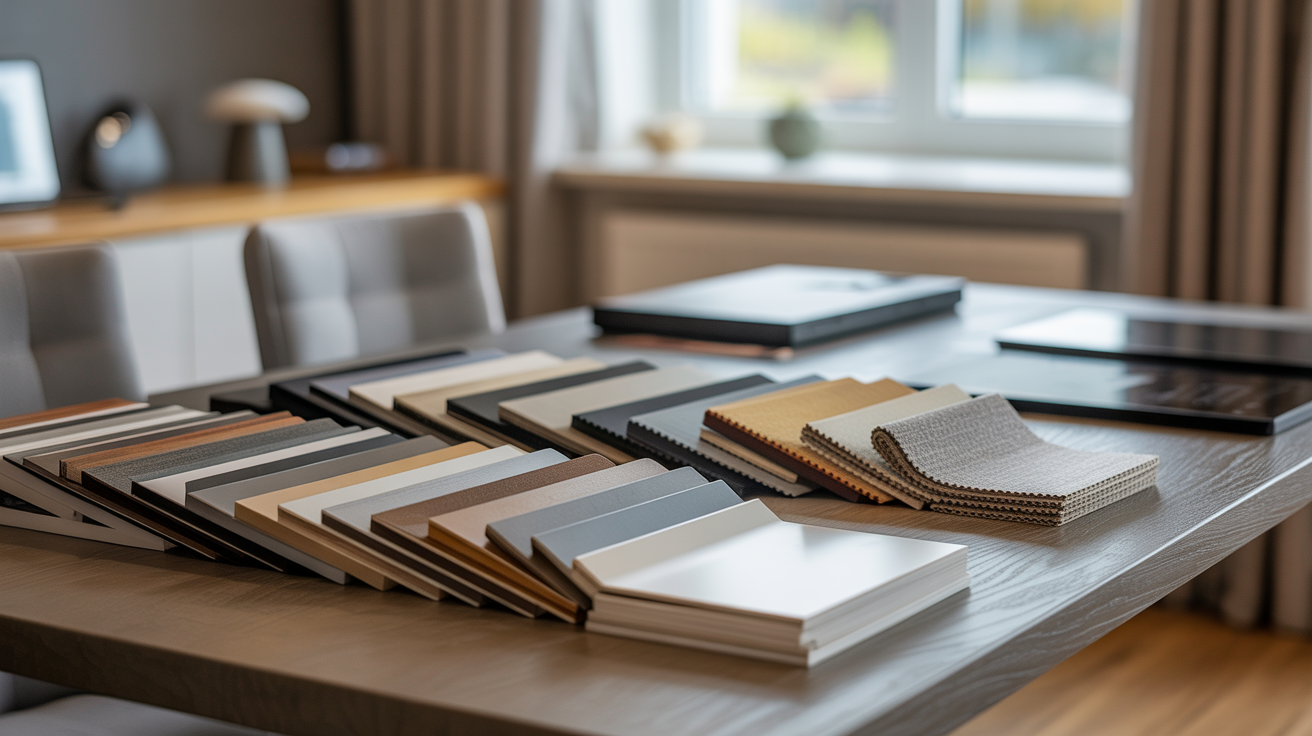
Are you tired of sifting through countless window treatment options? Discovering the best suppliers can transform your space and elevate your style. The right window treatments not only enhance aesthetic appeal but also contribute to comfort and privacy within a home or commercial property [11].
By comparing top factories and suppliers, you can find options that balance quality, affordability, and unique designs. This report aims to guide you in uncovering suitable choices for your needs, helping you make an informed decision when selecting window treatment solutions [11].
The Advantage of Customization
Can I customize my window treatments through a supplier factory?
Yes, many supplier factories offer extensive customization options. This is a significant advantage, allowing you to choose specific fabrics, colors, sizes, and operational styles to create window treatments that perfectly fit your space and personal taste. Whether you need custom blinds, curtains, or shades, direct communication with the supplier about your unique requirements is key to achieving your desired outcome. Be sure to discuss all aspects of your vision, from material selection to dimensions and functional features, with the supplier factory [11].
Key Considerations When Choosing a Supplier Factory
Selecting an appropriate window treatment supplier factory is crucial for a successful project. Several factors should be carefully evaluated to ensure you partner with a reliable and capable provider [11].
Evaluating Supplier Offerings
When considering a supplier, look into the breadth and depth of their product range. For instance, some suppliers, like the Rowley Company, offer a wide array of drapery workroom and upholstery supplies, including specialized hardware, tools, and other essentials for creating comprehensive window solutions [11]. Understanding a supplier's specialization can help you determine if they are a good fit for your specific needs, whether you require finished products or components for creating custom treatments.
Essential Questions for Potential Suppliers
When engaging with potential suppliers, it's important to ask pertinent questions. Key areas to explore include:
- Product Range and Materials: What types of window treatments and materials do they offer? Do they source sustainable or specialty fabrics?
- Customization Capabilities: To what extent can products be customized in terms of size, shape, color, fabric, and operating mechanisms?
- Quality Standards: What are their quality control processes? Can they provide samples or references?
- Lead Times and Shipping: What are the typical production and delivery times? What are the shipping costs and logistics?
- Pricing and Payment Terms: Request detailed quotes and understand the payment terms and any minimum order quantities.
- Customer Support: What level of support do they offer pre- and post-purchase?
Thoroughly discussing your requirements and expectations with potential suppliers will help you identify the best partner for your window treatment needs [11].
Custom Window Treatment Installation - The Home Depot
Transform Your Home with The Home Depot
The Home Depot offers comprehensive services for custom window treatment installation, designed to transform your home with premium solutions. This service includes options like custom smart shades, tailored to enhance both the aesthetic appeal and functionality of your living spaces [12].
How The Home Depot's Service Works
The process for acquiring custom window treatments through The Home Depot is structured to be straightforward and customer-focused:
Step 1: Request a Free Quote
To begin, you can let The Home Depot know you're interested in new custom window treatments by requesting a free quote. This can be done online or by calling their dedicated line at (844) 525-5086 [12].
Step 2: Schedule Your Free Consultation
Once your request is received, a Home Depot authorized design specialist will contact you. They will work with you to schedule a free consultation, which can be conducted virtually or in your home, at your convenience [12].
Step 3: Explore Options and Receive Your Quote
During this free consultation, your assigned designer will showcase samples of the custom blinds, shades, and draperies available for installation. They will provide expert guidance to help you select the perfect window treatments that align with your personal style and budget. Following the selection, you will receive a comprehensive quote that includes all materials and the cost of installation [12].
Custom Window Treatments Available
The Home Depot provides a diverse selection of custom window treatments to meet various needs and preferences. The range of products you can have installed includes [12]:
- Custom Blinds
- Custom Shades, including technologically advanced Custom Smart Shades
- Custom Draperies
- Plantation Shutter Installation
- General Blinds Installation services
Reliable and Professional Installation
The Home Depot is committed to ensuring customer satisfaction and peace of mind. All service providers involved in custom window treatment installation are local, licensed, and insured. Additionally, these professionals undergo a thorough background-screening process to guarantee reliability and high-quality workmanship for your project [12]. Customers can view more Home Depot licensing information for further assurance [12].
Explore Current Offers and Savings
Customers looking to install custom window treatments are encouraged to discover deals and special promotions offered by The Home Depot. There may be exclusive, limited-time offers available that can provide savings on your project [12]. It is advisable to view current offers to take advantage of potential discounts for your custom window treatment installation [12].
Design Myth Busters: The "Real Cost" of Custom Drapery
Challenging Perceptions: The Custom vs. DIY Debate
Custom window treatments are often perceived as a high-end luxury, reserved for those with substantial budgets or an unwavering commitment to a specific design. This perception can be a significant barrier for many homeowners aspiring to enhance their living spaces with stylish drapery.
When faced with quotes that can feel overwhelmingly expensive, individuals frequently explore alternative avenues to achieve their desired aesthetic without incurring massive costs. This exploration often leads to a comparison between professionally custom-made options and more accessible, do-it-yourself (DIY) or ready-made solutions.
The "Sticker Shock" Scenario: A Common Experience
A common narrative among homeowners involves receiving unexpectedly high quotations for custom drapery. For instance, one individual reported being "flabbergasted" by a $3,000.00 quote for just two window panels and the accompanying hardware [13]. Such experiences are not uncommon and are often shared in online discussions, forums, and blog comment sections dedicated to home décor and budgeting.
Seeking Affordable Alternatives: The DIY Route
In response to such high costs, many turn to more budget-friendly approaches. The aforementioned individual, for example, opted to install their own rods and purchase four lined panels, achieving a satisfactory window treatment for a total of $293.00. This represents a cost saving of over 90% compared to the initial custom quote, illustrating the significant financial difference between the two paths.
Evaluating Value: Quality, Aesthetics, and Flexibility
A key consideration in this comparison is the balance between quality, visual impact, and overall value. While custom drapery often boasts superior materials and craftsmanship, the question arises: "Is the quality the same [as DIY]? Maybe not, but the visual result is." For many, achieving the desired aesthetic or "look" is the primary goal, and if a more affordable option can deliver a comparable visual impact, it becomes a highly attractive choice.
The Advantage of Adaptability
One of the most compelling arguments for cost-effective alternatives is the enhanced flexibility they offer. With the substantial savings realized, homeowners gain the freedom to update or completely change their window treatments multiple times. As noted, one could "change my mind ten times before I get to that original quote." This adaptability is particularly appealing to those who enjoy refreshing their décor periodically or are still experimenting with their personal style, without the financial commitment tied to expensive custom pieces.
Budget Realities: Splurge vs. Practicality
Ultimately, the decision often comes down to individual financial realities and priorities. The sentiment "Not everyone can splurge, some of us have to have a [budget-friendly solution]" resonates widely. While custom drapery offers undeniable benefits in terms of tailoring and potential longevity, its price point can be prohibitive.
For a significant portion of homeowners, the "real cost" of window treatments must align with a manageable budget. Achieving a beautiful and functional home does not always necessitate the most expensive options. DIY and carefully selected ready-made draperies can provide visually appealing results, financial peace of mind, and the welcome flexibility to evolve one's living space over time without breaking the bank.
How Much Do Window Treatments Cost? - Value Blinds and Shutters
Key Considerations for Window Treatment Quotes
When planning to invest in custom window treatments, understanding the total cost involved is paramount. The initial price tag for blinds, shades, or shutters is often just the starting point. To accurately budget and avoid unexpected expenses, it's crucial to obtain a comprehensive quote that details all potential charges.
A key piece of advice when you receive a quote for custom window treatments is to meticulously verify its contents. Specifically, ensure that the quote explicitly includes costs for shipping, professional installation, and all applicable taxes [14]. Furthermore, it's prudent to inquire about any additional fees that might apply, such as charges for the removal and disposal of old window coverings, or for specialized installation requirements due to window size, shape, or accessibility [14]. Requesting an itemized breakdown can provide clarity on each component of the total cost, empowering you to make informed decisions and compare offers from different suppliers effectively.
Chapter 4: DIY vs. Professional Installation: Making the Right Choice
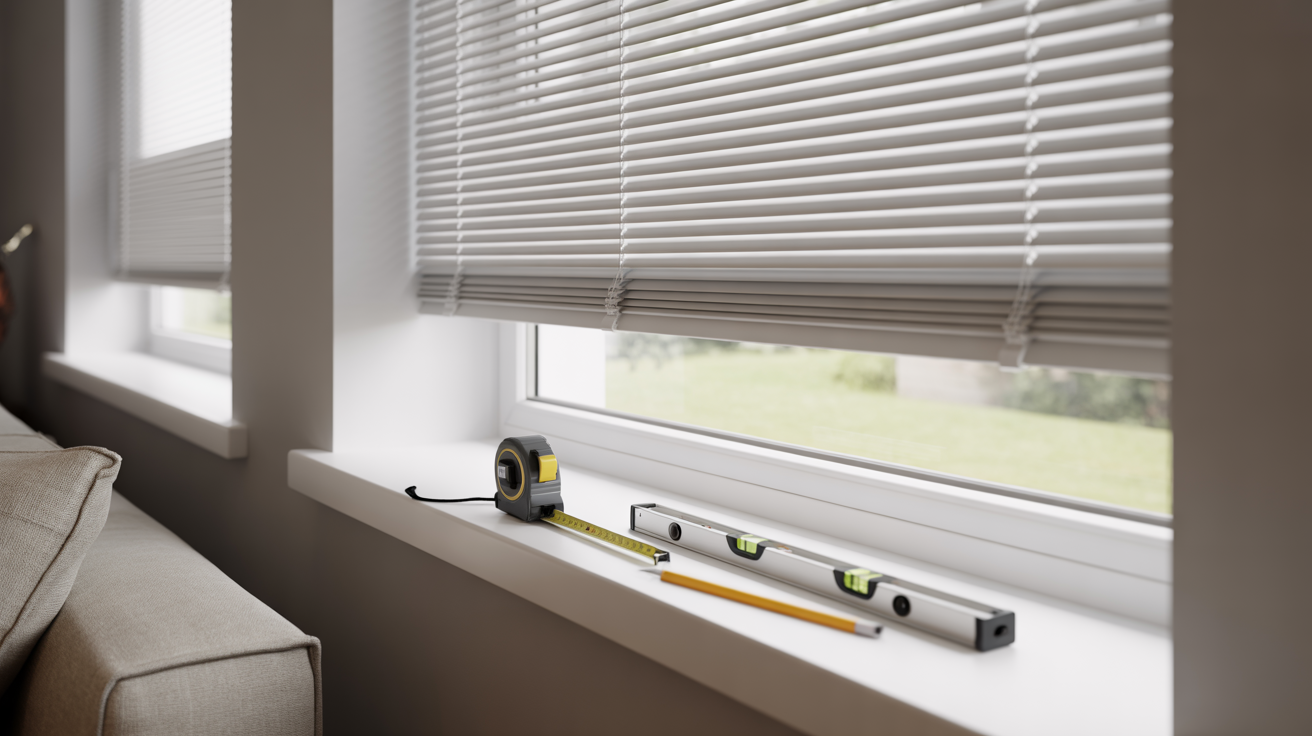
DIY vs Professional Installation of Blinds + Curtains | Pros + Cons.
Introduction
Choosing new blinds and curtains can significantly enhance the aesthetics, comfort, and functionality of a space. However, once the perfect window treatments are selected, a crucial decision remains: whether to install them yourself (DIY) or hire a professional. This choice can impact the overall cost, timeline, and final appearance of your window coverings. Understanding the advantages and disadvantages of each approach is essential for making an informed decision that aligns with your budget, skills, and expectations.
This report explores the pros and cons associated with both DIY and professional installation of blinds and curtains, providing insights to help homeowners and property managers determine the best course of action for their specific needs.
DIY Installation
Opting for a Do-It-Yourself (DIY) installation means taking on the task of measuring, fitting, and securing the blinds or curtains yourself. This can be a rewarding experience for some, but it also comes with potential challenges.
Pros of DIY Installation
- Cost Savings: The most significant advantage is the avoidance of professional installation fees, which can reduce the overall project cost.
- Scheduling Flexibility: You can work on the installation at your own pace and on your own schedule, without needing to coordinate with a third-party installer.
- Sense of Accomplishment: Successfully completing a home improvement project like installing window treatments can provide a strong sense of personal satisfaction and achievement.
- Immediate Installation: Once you have the products, you can install them immediately without waiting for a professional's availability.
Cons of DIY Installation
- Time Commitment: DIY installation can be time-consuming, especially for those unfamiliar with the process or for larger projects involving multiple windows.
- Skill and Tool Requirements: Proper installation requires a certain level of handyman skills, precision, and the right tools (e.g., drill, level, measuring tape). Lack of experience can lead to errors.
- Risk of Mistakes: Incorrect measurements or improper installation can result in ill-fitting blinds or curtains, damage to the window frames or walls, or even damage to the products themselves. This could negate any initial cost savings if replacements or repairs are needed.
- Potential Voiding of Warranties: Some manufacturers may void product warranties if damage occurs due to improper DIY installation.
- Physical Effort: Installing window treatments, especially larger or heavier ones, can be physically demanding and may require assistance.
Professional Installation
Hiring a professional installer means entrusting the fitting and setup of your blinds and curtains to an experienced individual or company. This service ensures that the window treatments are installed correctly and securely.
Pros of Professional Installation
- Expertise and Precision: Professionals have the necessary skills, experience, and tools to ensure accurate measurements and flawless installation, leading to a polished, high-quality finish.
- Time Efficiency: Installers can typically complete the job much faster than an average DIYer, especially for multiple windows or complex installations (e.g., motorized blinds, bay windows).
- Guaranteed Workmanship: Reputable installers often provide a guarantee or warranty on their workmanship, offering peace of mind and recourse if issues arise post-installation.
- Handling of Complexities: Professionals are better equipped to handle unexpected challenges, such as uneven walls, unusual window shapes, or difficult-to-reach areas.
- Proper Tools and Equipment: Installers come with all necessary specialized tools, so you don't need to purchase or rent them.
- Safety: Professionals are trained to install window treatments safely, minimizing risks of injury or damage to property, especially when dealing with heavy items or working at heights.
Cons of Professional Installation
- Higher Cost: As the primary research indicates, having your products professionally installed does cost more. This additional expense is one of the most common reasons for customers choosing to install their curtains, blinds, or other window treatments themselves [16].
- Scheduling: You'll need to coordinate with the installer's schedule, which might involve waiting times or taking time off work for the appointment.
- Less Personal Involvement: For those who enjoy hands-on projects, outsourcing the installation means missing out on that aspect of the home improvement process.
Factors to Consider When Deciding
The decision between DIY and professional installation is not one-size-fits-all. Several factors should be weighed to make the best choice for your situation:
- Budget: If minimizing costs is the top priority and you are confident in your abilities, DIY might be suitable. However, factor in potential costs of errors.
- Complexity of Window Treatments: Simple roller blinds on standard windows are easier to DIY than custom-fitted shutters, motorized systems, or curtains with elaborate hardware on bay windows.
- Number of Windows: Installing treatments for one or two windows might be a manageable DIY project. For an entire house, professional installation can save significant time and effort.
- Personal Skills and Experience: Honestly assess your handyman skills, experience with similar projects, and comfort level with using tools.
- Time Availability: Consider how much free time you have and whether you're willing to dedicate it to the installation process.
- Value of a Perfect Finish: If a flawless, professional look is paramount, or if the window treatments are a significant investment, professional installation is often worth the extra cost.
- Warranty Considerations: Check if the product warranty is affected by the installation method. Some high-end or custom products may require professional installation to maintain warranty coverage.
Ultimately, weighing these factors against the pros and cons of each installation method will guide you to the most appropriate decision for your blinds and curtains project, ensuring you are satisfied with both the process and the outcome.
When to Hire Pro Vs DIY For Window Treatments - Just Blinds
Making the Choice: Professional Installation vs. Do-It-Yourself
Deciding whether to hire a professional for window treatments or to undertake the project as a do-it-yourself (DIY) endeavor depends significantly on individual circumstances, skills, and preferences [17]. Both approaches offer distinct advantages and cater to different needs. Understanding these can help homeowners make an informed decision that best suits their situation.
The Do-It-Yourself (DIY) Approach
The DIY option for window treatments is an increasingly popular concept in home improvement. It provides an opportunity for homeowners to learn new skills and potentially save money on installation costs [17]. This path might be the best fit if you are confident in your abilities and prepared for the tasks involved.
When to Consider DIY:
- Confidence in Measurement and Installation: If you believe you can accurately measure your windows and correctly install the chosen blinds or treatments, DIY can be a viable option. Precision is key to ensuring the treatments fit and function properly [17].
- Possession of Necessary Tools: Successful DIY installation requires the right tools. Before starting, ensure you have all the needed equipment to achieve the best results and avoid damage to your windows or treatments [17].
- Desire to Learn and Save Money: For those who enjoy hands-on projects and are looking to reduce expenses, DIY offers a rewarding experience.
- Simple Window Configurations: Standard-sized and shaped windows often present fewer complexities, making them more suitable for DIY installations.
- Basic Window Treatment Types: Installing simpler treatments like standard roller blinds or Venetian blinds might be more manageable for a DIYer than complex, motorized, or custom-shaped solutions.
Hiring a Professional Window Treatment Expert
Opting for a professional installer can alleviate much of the stress and potential pitfalls associated with window treatment projects. Experts bring experience, precision, and guidance to the process [17].
When to Hire a Professional:
- Accurate Measurements and Selection Guidance: A professional can ensure precise measurements, which are crucial for custom window coverings. They can also provide expert advice on selecting the right types of treatments, materials, and styles to suit your needs and decor [17].
- Complex Window Situations: For unusually shaped windows, large windows, hard-to-reach windows (e.g., skylights, high foyer windows), or specialized treatments like motorization, professional expertise is highly recommended.
- Desire for a Hassle-Free Process: If you prefer to delegate the task and focus on other activities, a professional can manage the entire process from measurement to installation, ensuring a high-quality finish [17].
- Guaranteed Results and Warranty: Professional installers often provide warranties for their work, offering peace of mind and recourse if issues arise.
- Access to Wider Product Ranges: Professionals may have access to trade-only products or brands not available to the general public, potentially offering more unique or higher-quality options.
Choosing the Best Window Contractor
If you decide that hiring a professional is the best route, it's important to be diligent in your selection process. Working with a reputable and experienced window contractor will ensure you receive quality service and results for your window treatment project [17]. Consider checking reviews, asking for portfolios, and comparing quotes before making a final decision.
When to Hire a Pro Vs DIY for Window Treatments - Blinds.com
Initial Considerations: Skills, Time, and Cost
Deciding whether to hire a professional installer or undertake a do-it-yourself (DIY) approach for window treatments involves several key considerations. Homeowners should first evaluate their own skills and comfort level with such tasks. While engaging a professional can often result in a faster completion of the job, it's important to remember that "time is money" [18].
Hiring a professional does increase the overall cost, although this increase may not be substantial. For larger projects or homes with many windows, the time and energy saved by professional installation can be well worth the added expense. However, one must also consider the professional's schedule, as appointments may need to be booked a week or two in advance [18].
Scheduling and Project Urgency
The timeline for your window treatment installation can significantly influence the DIY versus professional decision. As mentioned, a professional installer's availability might mean a waiting period. If you are in a rush to have your window treatments installed, a DIY approach could potentially be faster, especially for simpler products that are easy to manage [18]. Therefore, assessing the urgency of the installation is a critical step in the decision-making process.
Guarantees, Support, and Peace of Mind
One of the primary benefits of hiring a professional is the assurance and guarantees they offer. Professionals typically guarantee their measurements and installation work, ensuring the job is done correctly the first time. This provides considerable peace of mind, especially for complex or expensive window treatments [18].
Conversely, for those opting for DIY, support systems are often in place. For example, Blinds.com offers a Surefit® Guarantee, which provides protection even if you mismeasure your windows. Additionally, their customer service teams are usually available to assist with any issues or "bumps in the road" encountered during a DIY installation, ensuring that help is accessible if needed [18].
Product Complexity and Installation Type
The nature of the window treatments themselves plays a significant role in determining the best installation approach. Some blinds or shades are designed for easy installation, while others can be more intricate and challenging. For more complicated products, hiring a professional is generally recommended to ensure correct fitting and functionality [18].
Easy DIY Installations
Certain types of window treatments are particularly well-suited for DIY installation, even for beginners. These include:
- Horizontal Blinds (e.g., faux wood, real wood, and mini blinds)
- Cellular Shades
- Pleated Shades
- Roman Shades
These products are generally easy to install, typically taking only about 5-10 minutes per window. The installation usually requires just a few screws and a screwdriver, making them manageable for most DIY enthusiasts [18].
DIY vs. Professional Blind Installation: Pros, Cons, and When to Call the Experts
Introduction
Choosing and installing new window blinds can significantly enhance the aesthetics, privacy, and light control in a home. Once you've selected the perfect blinds, the next crucial decision is whether to install them yourself (DIY) or hire a professional. This decision involves weighing various factors, including cost, time, skill level, and the complexity of the installation.
This report explores the advantages and disadvantages of both DIY and professional blind installation, offering insights to help homeowners determine the best approach for their specific situation. We will also outline scenarios where opting for professional expertise is highly recommended.
DIY Blind Installation
Undertaking blind installation as a do-it-yourself project can be appealing for several reasons, particularly for those comfortable with home improvement tasks. However, it's essential to consider both the potential benefits and drawbacks.
Pros of DIY Installation
- Cost Savings: The most significant advantage is the potential for cost savings. By installing blinds yourself, you avoid labor costs associated with professional services. This can be a considerable saving, especially if you are installing blinds in multiple windows [19].
- Flexibility and Scheduling: DIY installation offers complete control over the project timeline. You can work at your own pace and on your own schedule, without needing to coordinate with a professional's availability [19].
- Sense of Accomplishment: Successfully completing a DIY project can provide a great sense of satisfaction and personal achievement.
- Learning Opportunity: For those interested in home improvement, installing blinds can be a valuable learning experience, adding to your skillset.
Cons of DIY Installation
- Risk of Errors: Incorrect measurements or improper installation can lead to poorly fitting blinds, damage to the blinds themselves, or damage to window frames and surrounding walls. This could negate any initial cost savings.
- Time-Consuming: What might take a professional a short amount of time could take a DIYer significantly longer, especially if unfamiliar with the process or encountering unexpected challenges.
- Need for Tools: Proper installation often requires specific tools (e.g., drill, level, measuring tape). If you don't already own these, purchasing or renting them can add to the overall cost and effort.
- Potential Safety Hazards: Working with tools, especially on ladders for higher windows, carries inherent safety risks if proper precautions are not taken.
- Voiding Warranties: Some blind manufacturers or retailers may void product warranties if the blinds are not installed by a certified professional, or if damage occurs due to improper DIY installation.
- Complexity: Certain types of blinds (e.g., motorized, very large, or custom-shaped blinds) can be particularly complex to install correctly.
Professional Blind Installation
Hiring a professional installer offers peace of mind and ensures the job is done correctly, though it comes at an additional cost. Professionals bring expertise, experience, and specialized tools to the task.
Pros of Professional Installation
- Expertise and Precision: Professionals have the experience to handle various window types and blind mechanisms, ensuring accurate measurements and flawless installation. They can often anticipate and solve potential issues that a DIYer might not foresee.
- Time-Saving: Installers can typically complete the job much faster and more efficiently than an average homeowner. This is particularly beneficial for large projects with many windows.
- Guaranteed Workmanship: Most professional installation services come with a guarantee or warranty on their labor. If any issues arise due to the installation, they will typically return to fix them at no extra charge.
- Proper Tools and Equipment: Professionals arrive with all the necessary specialized tools and equipment, ensuring a high-quality finish without any additional cost or hassle for the homeowner.
- Handling of Complex Installations: Professionals are equipped to handle challenging installations, such as motorized blinds, skylight blinds, unusually shaped windows, or very high windows.
- Reduced Risk of Damage: Experienced installers are less likely to damage the blinds, window frames, or surrounding walls during the installation process.
- Stress-Free Process: Hiring a professional removes the stress and potential frustration associated with a DIY project, especially for those who are not handy or lack the time.
Cons of Professional Installation
- Higher Cost: The primary drawback is the additional expense of labor costs, which can vary depending on the number of blinds, complexity, and location.
- Scheduling: You will need to coordinate with the installer's schedule, which might involve waiting for an appointment.
- Trust and Reliability: It's important to find a reputable and reliable installer, which may require some research and vetting.
When to Call the Experts
While DIY installation can be suitable for simple projects and handy individuals, there are several scenarios where hiring a professional is generally the better choice:
- Complex Window Types: If you have bay windows, bow windows, skylights, unusually shaped windows (e.g., arched, angled), or very high windows that require specialized equipment or techniques.
- Specialized Blinds: For motorized blinds, smart home integrated blinds, or complex shutter systems, professional installation is often recommended or even required by the manufacturer.
- Large Number of Blinds: If you are outfitting an entire house or a large number of windows, the time and effort involved in DIY can be overwhelming. Professionals can complete such projects efficiently.
- Lack of Time or Skills: If you are not confident in your DIY abilities, lack the necessary tools, or simply don't have the time to dedicate to the project, hiring a professional is a wise investment.
- High-Value Blinds: If you have invested in expensive, custom-made blinds, professional installation can protect your investment by ensuring they are installed correctly and without damage.
- Warranty Requirements: Some blind warranties are contingent upon professional installation. Check the terms of your product warranty before deciding.
- Desire for a Perfect Finish: If a flawless, professional-looking result is a high priority, experts are more likely to achieve this standard.
Ultimately, the decision between DIY and professional blind installation depends on your budget, skills, time availability, and the complexity of the job. Carefully considering these factors will help you choose the path that best suits your needs and ensures your new blinds are a beautiful and functional addition to your home [19].
Custom-fitted vs. DIY Window Treatments: Which Are Better?
Understanding Your Window Treatment Options
Choosing between custom-fitted and Do-It-Yourself (DIY) window treatments is a significant decision for homeowners aiming to enhance their living spaces. This choice influences not only the aesthetic appeal and comfort of a home but also the practicality, durability, and overall satisfaction with the window coverings. This report delves into the comparative aspects of custom-fitted versus DIY window treatments, drawing on insights to guide homeowners in making an informed choice [20].
The Case for Custom-Fitted Window Treatments
Opting for custom-fitted window treatments installed by professionals offers a seamless and often superior experience. The process typically involves experts guiding homeowners through the selection of ideal window treatments that align with their home's decor and functional needs. Professionals then take precise measurements and manage the ordering process for these custom solutions, ensuring a perfect fit for every window. The culmination of this service is the expert installation, which is designed to make the window treatments look beautiful and ensure they last for a long time [20].
Quality, Longevity, and Professional Finish
A key differentiator for custom-made treatments is their reputed quality and durability. Professionally installed window treatments are generally constructed from higher-grade materials and are installed with precision, contributing to a longer lifespan. This contrasts with DIY window treatments, which are often of lesser quality and may not endure as well over time. Consequently, many homeowners who initially choose less expensive DIY options find themselves upgrading to professionally installed treatments when their initial choices inevitably wear out, sometimes within just a few years [20]. The expertise of professional installers ensures a polished look that can be difficult to achieve with a DIY approach, especially for complex window shapes or large-scale projects.
Evaluating DIY Window Treatments
DIY window treatments appeal to homeowners primarily for their potential for quick installation, especially for simpler projects. Many individuals equipped with a few basic tools can successfully install standard blinds or window shades themselves, offering a faster turnaround time if immediate window covering is a priority [20]. This option can be particularly attractive for those on a tighter budget or for those who enjoy hands-on home improvement tasks.
Considerations and Limitations of DIY
While DIY can be suitable for straightforward applications, its limitations become apparent with more complex requirements. If a homeowner desires more sophisticated window treatments, such as custom shutters, motorized shades, or intricate draperies, or if treatments are needed for numerous windows, the skill of an expert installer is likely to provide better, more consistent results. Professional installers are adept at handling challenging installations and ensuring that all treatments are fitted correctly and function smoothly. For instance, achieving a flawless finish across multiple windows or on uniquely shaped windows often requires a level of precision that is best delivered by experienced professionals [20].
Making an Informed Decision
The determination of whether custom-fitted or DIY window treatments are "better" hinges on a variety of factors, including the project's complexity, the homeowner's budget, their DIY skills and available time, and their long-term expectations for quality and durability. While DIY projects can offer speed and initial cost savings for simple installations, custom-fitted solutions provide a comprehensive service encompassing expert advice, bespoke manufacturing, professional installation, and typically, superior materials that contribute to enhanced longevity and aesthetic appeal [20]. Homeowners should carefully weigh these considerations to choose the path that best aligns with their specific needs and desired outcomes for their window treatments.
Chapter 5: Budgeting and Cost Considerations for Custom Window Coverings
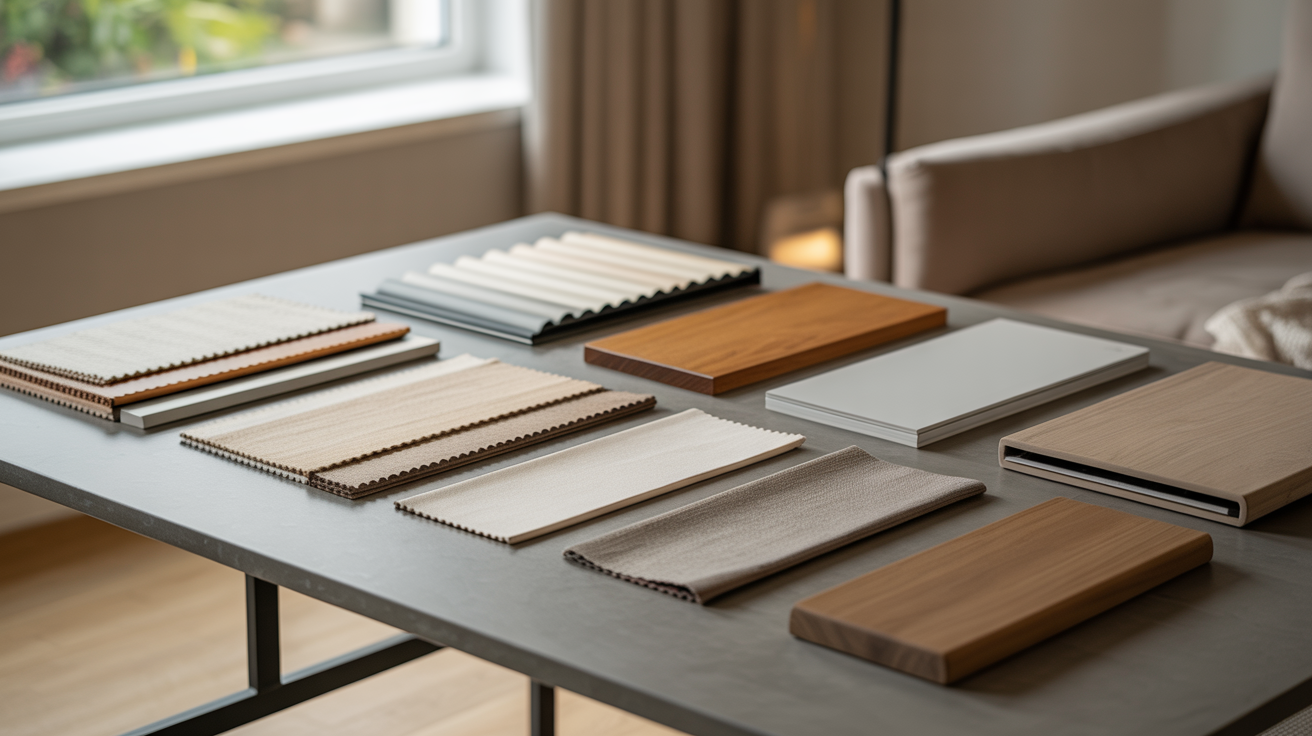
How Much Do Window Coverings Cost?
Understanding the Variables in Window Covering Costs
The cost of window coverings is not a fixed amount and can vary significantly based on a range of factors. These include the type of product chosen, the extent of customization, and installation requirements. When planning for new window coverings, it's crucial to factor in not just the product's cost but also installation fees and any potential customizations, as these elements collectively determine the final expenditure [21]. This report delves into the key considerations that influence how much you might spend.
Establishing Your Budget and Preferences
Determining your budget is a foundational step in the process of selecting window coverings. How much you are willing and able to spend will significantly narrow down your options and guide your decision-making to ensure choices are made within your financial means [21].
Ultimately, deciding how much to invest in window coverings is a matter of personal preference, and there isn't a universal "right" or "wrong" amount. However, it is beneficial to consider your motivations for acquiring new window treatments. Reflecting on your specific wants, such as enhancing privacy, improving insulation, or achieving a particular aesthetic, and your functional needs will help you outline a budget that aligns with your priorities [21].
Impact of Customization and Product Choices on Cost
Customized features are a significant factor that can increase the cost of window treatments. Options such as motorization for remote control operation, battery-operated shades for convenience in areas without direct wiring, and the selection of specialty fabrics or unique finishes can add substantially to the overall price [21].
When considering product choices, off-the-shelf options generally present a more budget-friendly alternative. However, custom window coverings, which are tailored to fit your exact window dimensions and specific design preferences, may involve a higher initial investment. Despite the potentially greater upfront cost, custom solutions offer a precise fit and can better meet unique aesthetic or functional requirements, potentially providing greater long-term satisfaction [21].
Window Treatments for Your Bathroom: A Cost Guide
Understanding Cost Factors
The cost of window treatments for your bathroom can vary significantly based on several key factors. These include the specific type of window treatment chosen, the quality and type of materials used, the overall size of your windows, and whether you opt for custom-made solutions or more readily available off-the-shelf options [22]. Understanding these variables is crucial for budgeting effectively for your bathroom renovation or update.
Cost Estimates by Treatment Type
Different types of window treatments come with different price points, largely influenced by their complexity, materials, and customization level [22].
Curtains and Drapes
For curtains and drapes, ready-made options are generally the most budget-friendly. These can range from $20 to $100 per panel. However, if you are looking for a more tailored look, custom curtains and drapes can cost significantly more, potentially reaching several hundred dollars per panel. The price for custom drapery is heavily dependent on the fabric selected, the intricacy of the design, the size of the window, and even the length of the curtain rods. More specifically, custom drapery prices can range from $100 to $500 or more per panel for high-end designs [22].
Blinds and Shades
Blinds and shades offer a wide cost spectrum. Very basic options can start as low as $10 per unit. More specifically for blinds, basic options can begin around $30. For high-end, custom-designed blinds or shades, the cost can increase to several hundred dollars per unit [22]. The final price will depend on the material (e.g., vinyl, wood, fabric), operating mechanism, and any additional features like motorization or blackout capabilities.
Strategies for Saving Money
While window treatments can represent a notable investment, there are several effective strategies to manage costs without compromising too much on style or functionality [22].
- Shop Around: Prices for similar window treatments can vary significantly between different retailers. It is advisable to compare quotes from multiple sources to find the best available deal.
- Consider Off-the-Shelf Options: Custom window treatments are generally more expensive. If you are working with a tight budget, exploring off-the-shelf options is a smart move. You might be pleasantly surprised by the variety and quality available in ready-made products.
- Do It Yourself (DIY) Installation: If you are handy, installing the window treatments yourself can save you money on professional installation fees. However, ensure you are comfortable with the task to avoid costly mistakes.
By carefully considering these factors and tips, you can make informed decisions and find window treatments that fit both your bathroom's needs and your budget [22].
Budgeting for Window Treatments – Find Out & Plan Smart!
Understanding the Actual Costs
When planning for new window treatments, moving beyond aesthetic and functional preferences to the actual financial figures is crucial for smart budgeting. While qualitative considerations shape your choices, understanding the potential costs involved will help you set a realistic budget.
To get an idea of what to expect, data from HomeAdvisor indicates that the national average cost for new window treatments is approximately $463 per window. However, this is just an average, and the typical price range can vary significantly, generally falling between $106 and $828 per window [23]. This range reflects differences in material, style, size, brand, and customization options.
Installation: DIY or Professional?
Another significant factor in your overall budget is the cost of installation. Many common window treatments, such as blinds or shades, are designed for relatively straightforward installation. If you are comfortable with basic DIY tasks, you might find that all you need is a handful of tools and an hour or two of your time per window, depending on the complexity and the number of windows you are outfitting. This approach can save you a considerable amount on labor costs.
However, if you prefer not to handle the installation yourself, or if you've chosen complex treatments or have particularly challenging window configurations, professional installation is an available option. Opting for a professional installer will ensure the job is done correctly and efficiently, but it will add to your total project cost. You should plan to budget at least a few hundred extra dollars for professional installation services, though this can vary based on the number of windows and the complexity of the job [23].
Choosing the Right Provider
Finding the right provider for your window treatments is a key step that can also impact your budget. It is highly recommended to shop around and compare offerings from different providers. Doing so will introduce you to a range of potential costs and product selections.
Costs can vary significantly depending on whether the provider is a direct distributor, offering more competitive pricing, or a third-party seller who may include an increased margin [23]. However, price should not be your sole consideration. When evaluating providers, also take note of factors such as the breadth and quality of their selection, the possibility of bulk discounts if you are outfitting multiple windows, the helpfulness and knowledge of their staff, and the overall quality of their products and after-sales service. A reputable provider can offer valuable guidance and support throughout the selection and purchasing process.
How Much Do Custom Window Treatments Cost?
Understanding Custom Window Treatment Costs
Custom window treatments are tailor-made solutions designed to fit specific window dimensions and meet unique aesthetic and functional requirements. Unlike off-the-shelf options, they offer unparalleled personalization in terms of material, design, operating mechanisms, and fit. Investing in custom treatments such as blinds, shades, curtains, or shutters can significantly enhance a property's interior design, provide precise light control, improve energy efficiency through insulation, and increase privacy and comfort.
The cost of custom window treatments can vary significantly, influenced by a multitude of factors. Understanding these elements is crucial for homeowners looking to budget effectively for their window covering projects. Key considerations generally revolve around the choice of materials, the complexity of the design, the size and number of windows, and the inclusion of specialized features or professional services.
Core Factors Determining Price
Material Selection: The Primary Cost Driver
The choice of material is often the most significant factor influencing the overall cost of custom window treatments. Materials range from budget-friendly options like cotton, faux wood, or basic polyester, to high-end selections such as silk, linen, genuine hardwood, or designer fabrics. It's noted that "the biggest factor is material: premade curtain panels can range anywhere from $20 to $300 per set" [24]. This highlights the wide cost spectrum even for standard items, which is further amplified for custom orders involving bespoke fabric sourcing, specific weaves, patterns, and desired durability characteristics.
Labor and Professional Services
Beyond materials, "you'll also need to consider labor costs when budgeting for" custom window treatments [24]. Labor encompasses several stages, including initial consultation and design advice, precise on-site measurement, the skilled fabrication of the treatments (e.g., sewing curtains, assembling blinds), and finally, professional installation. The complexity of the window treatment design and the installation process, such as for very large windows, uniquely shaped windows like bay or arched windows, or motorized systems, can further impact these labor charges.
Type and Style of Window Treatment
Different types of window treatments come with inherently different price points. For instance, simple roller shades or aluminum blinds are generally more affordable than custom-made draperies, Roman shades, or premium plantation shutters. Within each category, the style and complexity also play a crucial role. Elaborate drapery pleats (like pinch pleats or goblet pleats), layered treatments combining sheers and heavy curtains, or intricately designed valances and cornices will command higher prices than simpler, more streamlined styles.
Window Characteristics
The size and number of windows requiring treatment are straightforward determinants of cost. Larger windows necessitate more material and potentially more complex hardware and installation, thereby increasing the price. Similarly, treating multiple windows throughout a property will naturally lead to a higher total cost. Non-standard window shapes, such as arches, circles, angled windows, or skylights, often require specialized designs, custom manufacturing processes, and meticulous installation, which can also elevate costs significantly compared to standard rectangular windows.
Customization and Advanced Features
The level of customization and the inclusion of advanced features significantly affect the final price. Options such as motorization for remote or automated control (which can be integrated with smart home systems), specialized linings (e.g., blackout linings for complete light blocking in bedrooms or media rooms, thermal linings for enhanced energy efficiency), custom hardware finishes to match interior decor, and unique decorative elements like trims, tassels, or banding all contribute to a higher overall investment. Each added feature enhances functionality or aesthetics but also adds to the material and potentially labor costs.
Effective Budgeting and Final Considerations
When planning for custom window treatments, establishing a realistic budget is paramount. Begin by prioritizing your needs: Is light control most important, or is it aesthetics, privacy, or energy efficiency? Clearly defining your priorities can help guide material, type, and feature selections that align with your financial plan. It's advisable to research average costs for the types of treatments you are interested in, specific to your geographic region, as prices can vary.
To ensure you receive fair pricing and quality service, it is highly recommended to obtain detailed quotes from multiple reputable suppliers, designers, or window treatment specialists. When comparing these quotes, look beyond the bottom-line price. Scrutinize the specifics of what is included – the quality and type of material, the brand and finish of hardware, warranty terms, and the full scope of labor (initial consultation, measurement, fabrication, and installation). Do not hesitate to ask clarifying questions about any aspect of the quote to ensure full transparency.
While custom window treatments can represent a significant upfront investment, it's important to consider their long-term value. High-quality materials and professional craftsmanship often translate to greater durability and longevity, meaning they will look good and function well for many years. Furthermore, certain features, like energy-efficient thermal linings or properly fitted cellular shades, can contribute to tangible energy savings over time by reducing heat loss in winter and heat gain in summer, partially offsetting the initial outlay. The enhanced aesthetic appeal and improved functionality also add to your property's overall market value and your daily enjoyment of the space.
Finally, for truly custom solutions that fit perfectly, operate flawlessly, and meet your exact specifications, the expertise of professionals is invaluable. While DIY options exist for standard-sized windows and basic treatments, custom projects often involve precise measurements and complex installation techniques best handled by experienced installers. Professional consultation can also help you navigate the myriad choices of styles, materials, and operating systems to select treatments that best suit your home's architecture, your personal style, your functional needs, and your budget, ensuring a satisfactory and lasting outcome for your investment.
How Much Should You Really Budget for Custom Window ...
The Role of Custom Window Treatments in Home Decor
In the realm of home decor, few things carry the transformative power of custom window treatments. They have the ability to elevate a space, adding sophistication, warmth, and a touch of luxury [25].
However, one question that often lingers in the minds of homeowners embarking on this design journey is: How much should one budget for these custom additions? This report aims to shed light on the various factors influencing the cost of custom window treatments, helping homeowners navigate this important investment [25].
Understanding the Cost Factors: The "Cost Conundrum"
When it comes to custom window treatments, the investment you make can truly enhance the beauty and functionality of your space. By understanding the cost factors associated with various options like custom blinds, shades, shutters, and drapes, you can better plan your budget and create a home that reflects your style and personality [25].
The cost of custom window treatments can vary significantly. This variation is driven by a multitude of factors, primarily including:
- Style: The specific type of window treatment chosen (e.g., Roman shades, roller blinds, plantation shutters, pinch-pleat drapes). Each style has different construction complexities and material requirements.
- Material: The chosen fabric or material composition (e.g., natural woods, faux wood, vinyl, aluminum, or fabrics like silk, linen, cotton, synthetics). Premium materials will command higher prices.
- Dimensions: The size of the windows requiring treatment. Larger windows, uniquely shaped windows (arches, bays), or a greater number of windows will naturally increase material and labor costs.
- Intricacy of Design and Customization: Complex designs, custom patterns, specialized hardware, layering of treatments, or additional decorative features like valances, cornices, or trims will add to the overall price.
- Operating Mechanisms: Manual controls are standard, but options like cord-free systems for child safety, or motorization for remote control or smart home integration, will increase the cost.
- Brand and Supplier: Well-known designer brands or high-end suppliers may have higher price points compared to local manufacturers or budget-friendly lines.
Each choice comes with its own distinct price tag, making it important to consider these elements carefully during the selection and budgeting process [25].
Spotlight on Custom Blinds
Custom blinds are a frequently selected option for homeowners seeking a versatile and stylish window covering solution that offers excellent light control and privacy. The budget for custom blinds is specifically influenced by several key considerations [25]. These include:
- Material Choice: Options range from elegant real wood (like basswood or oak) and durable faux wood, which offer a classic look, to more economical and moisture-resistant aluminum or vinyl. Exotic materials or sustainable options can also affect cost.
- Type of Blind: Common types such as Venetian blinds (horizontal slats), vertical blinds (ideal for large windows or patio doors), roller blinds (a single piece of fabric), cellular/honeycomb blinds (offering insulation), or Roman blinds (fabric folds when raised) each have distinct mechanisms, appearances, and price points.
- Slat Size: For Venetian blinds, the width of the slats (e.g., 1-inch, 2-inch, 2.5-inch) can influence price, with larger slats sometimes costing more.
- Operational Features: Beyond standard corded operation, upgrades such as cordless lifts (safer for homes with children and pets), top-down/bottom-up functionality, or motorization for remote control or integration into smart home systems will significantly increase the cost.
- Size and Number of Windows: As with all custom treatments, larger windows or a greater number of windows to be fitted with blinds will require a larger budget due to increased material and labor.
- Custom Finishes and Valances: Decorative additions like custom valances (e.g., fabric, wood), cornices, or specific color matching to existing decor can also impact the final price of custom blinds [25].
By carefully considering these factors, homeowners can better estimate the investment required for custom blinds that not only meet their aesthetic preferences and functional needs but also align with their overall home improvement budget [25].